 Skip to the content
Soft Territories: Crossing One
Crossing One is the first iteration of Soft Territories, an ongoing experiment from Pup and Tiger, a queer-run art space in Canterbury, UK. While we prepare to launch our physical location later this year, this showcase unfolds across both Dennis Cooper’s and Delere Press, forming a split-site exhibition of porous and intersecting practices.
There was something instinctive about placing these works within already active online spaces, a kind of quiet rewilding, letting them thread into existing habitats rather than carving out something new. It felt closer to how Soft Territories moves, not by staking claim but by dispersing, echoing, folding into what’s already there.
I reached out to artists whose practices drift, overlap, and resist enclosure. This is what emerged.
– Jared
***
As the works for Soft Territories came into view, certain patterns began to surface. One recurring motif was a sense of metamorphosis, not just as subject, but as process, material, and approach, with practices overlapping and folding into each other.
Many of the artists operate within spaces of flux, moving between physical and digital, queer and mythological, human and animal, public and intimate. This movement is not always linear or directional but instead folds in on itself, occupying multiple positions at once.
Some of the work drifts between human and digital, not as a rupture but as a slow crossing, body, where identity is filtered through code, where memory flickers in pixels, where presence is both embodied and rendered.
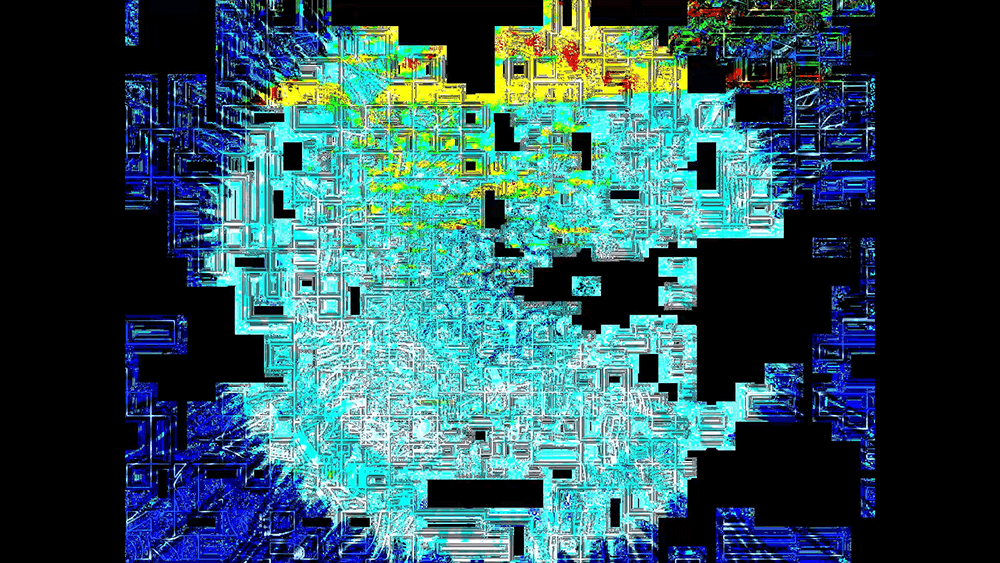
Ray Luke Cuthbertson, Wintermute (video still)
In Ray Luke Cuthbertson’s Wintermute is a datamoshed slide of image and signal. Something flickers as if trying to come into form. Not glitch as rupture but as becoming. A presence stuttering across frames.
The piece calls back to Wintermute in Gibson’s Neuromancer. An AI built to evolve. One half of a split mind, coded to seek its other. Not desire in the human sense but a kind of programmed striving. A reaching. A signal folding over itself, again and again.
Identity becomes porous. Skin slips. Memory becomes texture. The self as interface. What if this is the crossing. Not arrival, but movement toward coherence. Always partial. Always refracting.
Ray Luke Cuthbertson, Wintermute
“As a trans teenager who was obsessed with Cyberpunk literature, I was intrigued by the worlds that Gibson created and by his depictions of cyberspace: where you could connect your mind to a digital world larger than your own existence and partially disconnect from your body. I wanted to explore in my own way the experience of entering cyberspace, and re-adapt Gibson’s novel ‘Neuromancer’ through a predominantly sensory perspective.” - Ray Luke Cuthbertson
There is comfort, even agency, in holding these parallel states, in coding while decoding, becoming while undoing, or existing both as subject and avatar.
In this way, the work feels acutely contemporary. Not just in the sense of being “of the moment,” but in showing us how to live within a moment that is itself unstable, simultaneous, overlapping, in a world that feels more than a little fucked.
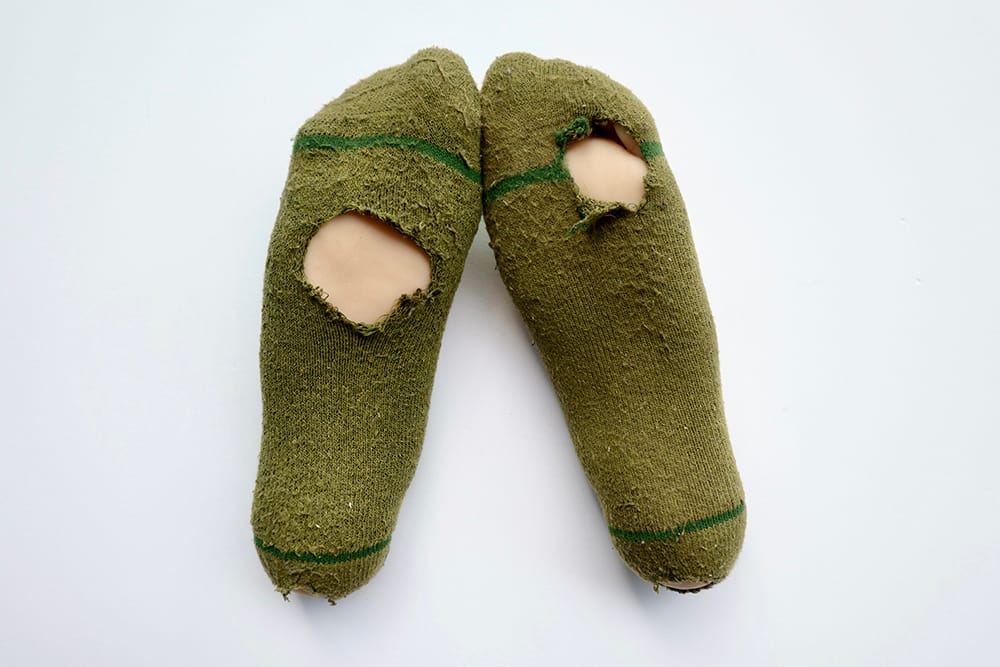
Lance Lin, The Endurer
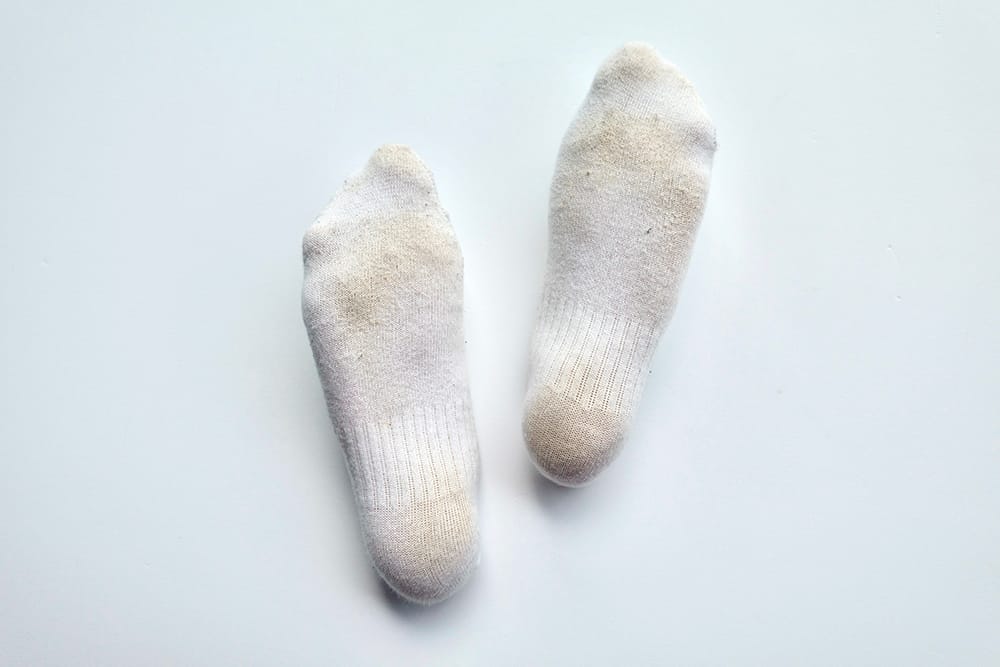
Lance Lin, The Sweater
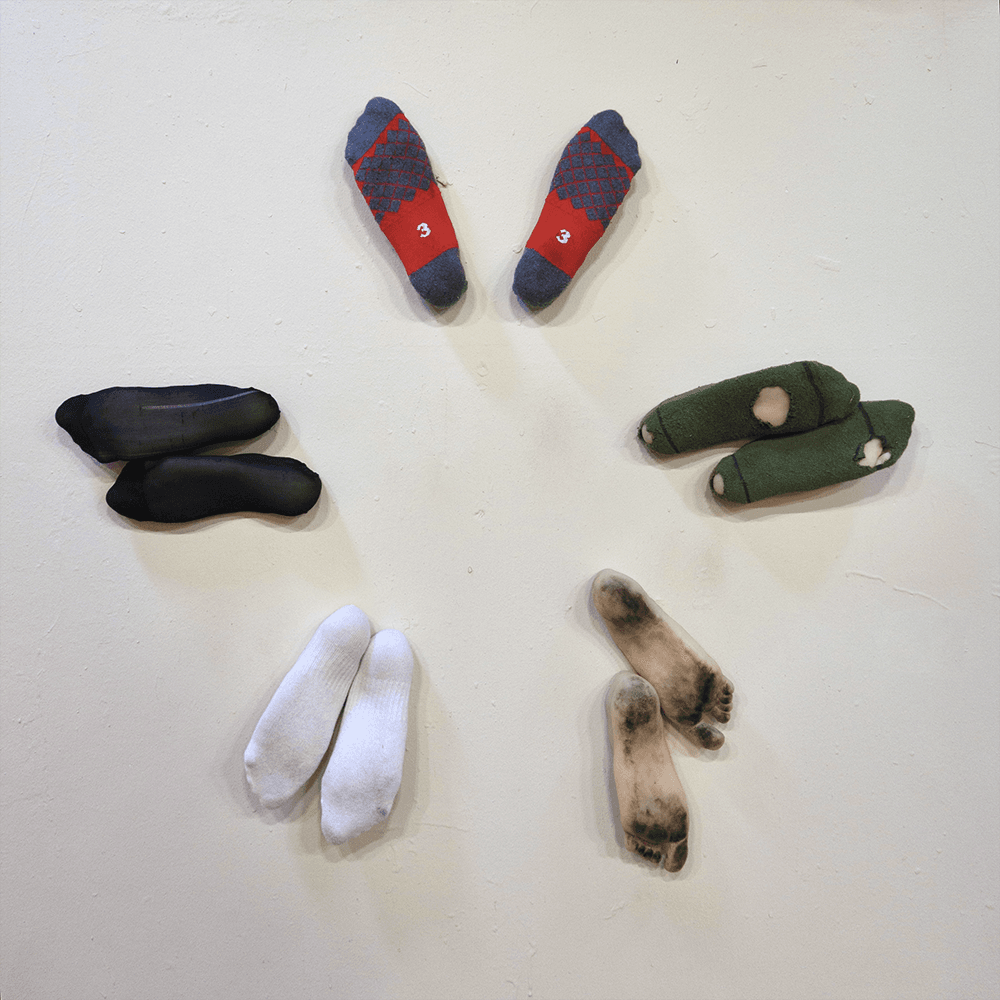
Lance Lin, install view
“This project stemmed from my foot/footwear fetish. It dissects masculinity as a set of socially constructed attributes, focusing on a minor aspect of a body: feet and what covers feet. I used socks that I personally wore as a means to document the act of performing masculinity before casting my own feet. The feet, made of silicone, serve as a canvas to reflect masculine qualities, through uniforms, scents, activities, and professions associated with masculinity.” - Lance Lin
***
The name Soft Territories suggests something both unstable and deliberate. Not soft as in weak, but soft as in sensitive to context, as in pressure-sensitive. As in queer. As in feral. It’s about the places we occupy without being invited, the ones we build as we wander down the street or behind a false floor and call home anyway. The ones we have to imagine because the map simply smudges an entry: “human-like bodies with the heads of dogs” as a glossing, or worse—misnamed us entirely.
Les Beaux Plastiques, nanotesla
“Utilising data visualisation and oscilloscopes, it seeks to explore our solar system through techno/noise music and demonstrate how planetary magnetospheres impact our lives in an abstracted fashion. Each planet’s magnetic response is used to create waveforms that produce unique Lissajous curves that allow the music to tell a story through its own frequency responses, allowing for an understanding of the overload of information without need for an understanding of the data itself.” - Les Beaux Plastiques
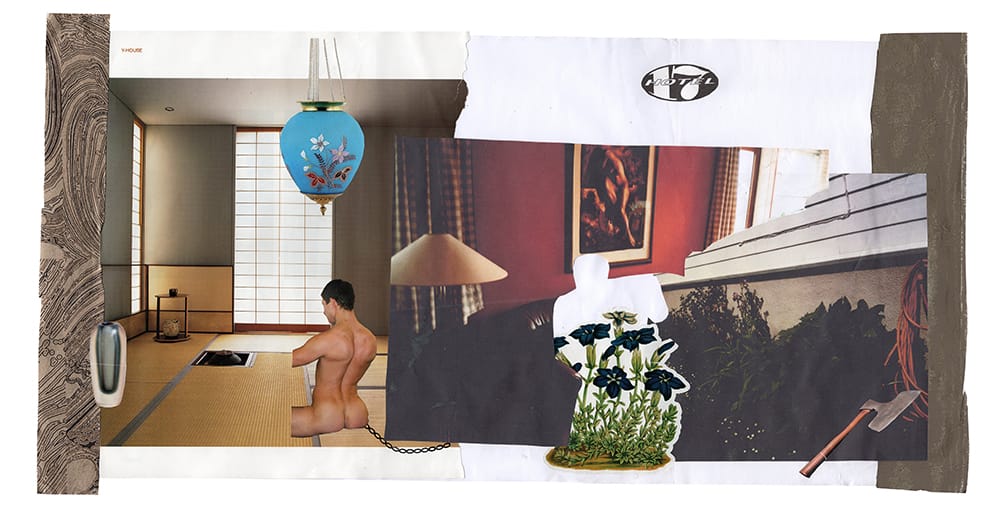
Kier Cooke Sandvik, Living Room
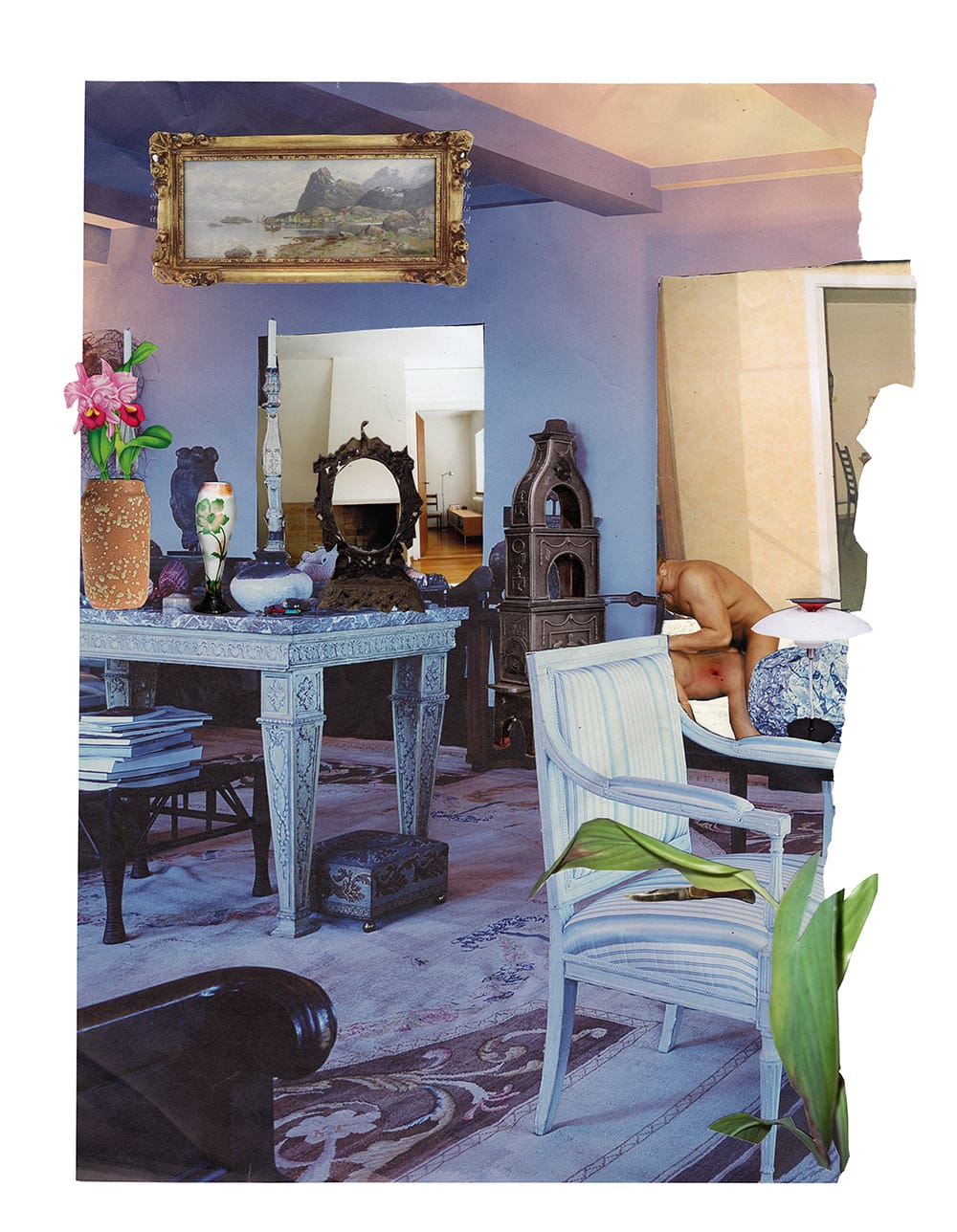
Kier Cooke Sandvik, Bedroom
At Pup and Tiger we’re trying (not always successfully) to make room for things that don’t easily translate. That might mean a poem that resists closure, a gesture repeated until it collapses, a piece of fabric that once belonged to someone’s mother. It might be a sound that never resolves into music. It might be nothing at all, except a feeling.
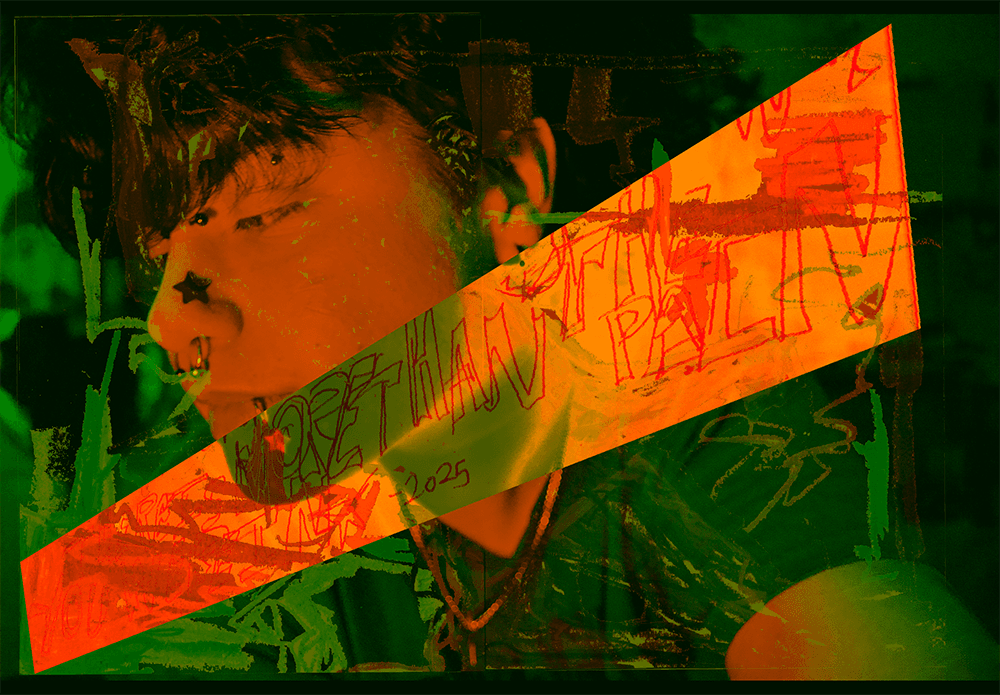
Cory McLellan, There is More Than The Pain You Were in
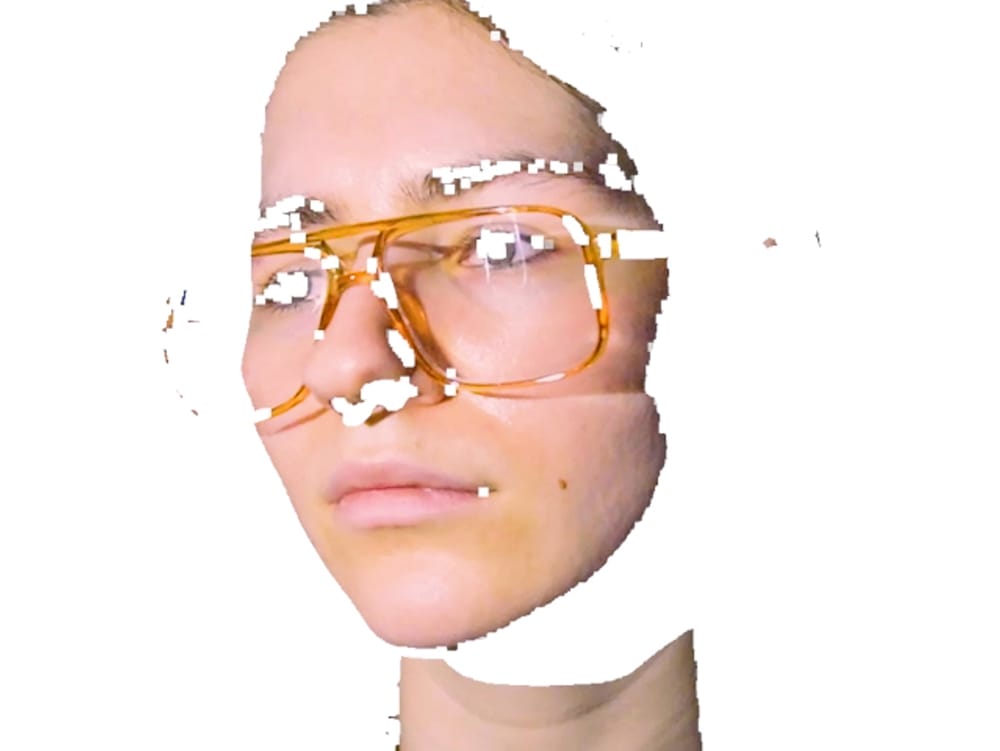
Julian Konuk, Space Dykes and Other Adventures (video still)
Julian Konuk’s Space Dykes and Other Adventures isn’t quite memory. Not quite fiction either. It conjures a kind of queer rewilding: in one scene, someone turns to the camera and half-smiles while a voice offscreen says, “It’s very… 2014 Tumblr?” “Yeah, I’m kinda thriving,” comes the reply, followed by laughter. “You need to return to the days.”
The footage moves like a long exhale, faulting through synthetic textures, soft takes, and sonic drift. A kind of screen test for a version of self held together by references, fragments, mess, and longing. Snow globes in natural habitats. The decentring of nostalgia not as retreat but as a catch and release. A landscape in flux, haunted by past encounters, carried like static in the body.
Julian Konuk, Space Dykes and Other Adventures
“The vessel-like structure of the film mirrors the way queer people carry fragmented histories, both personal and collective, within themselves. Through its layered textures and chaotic yet intimate sonic landscapes, the film evokes the spectral remains of past relationships, manifesting longing in digital form.” - Julian Konuk
With this we’re interested in the minor, the fugitive, the practices that stay small on purpose. Not out of modesty, but as strategy. Work that is uninterested in making itself palatable. Work that might seem incomplete unless you know where to look.
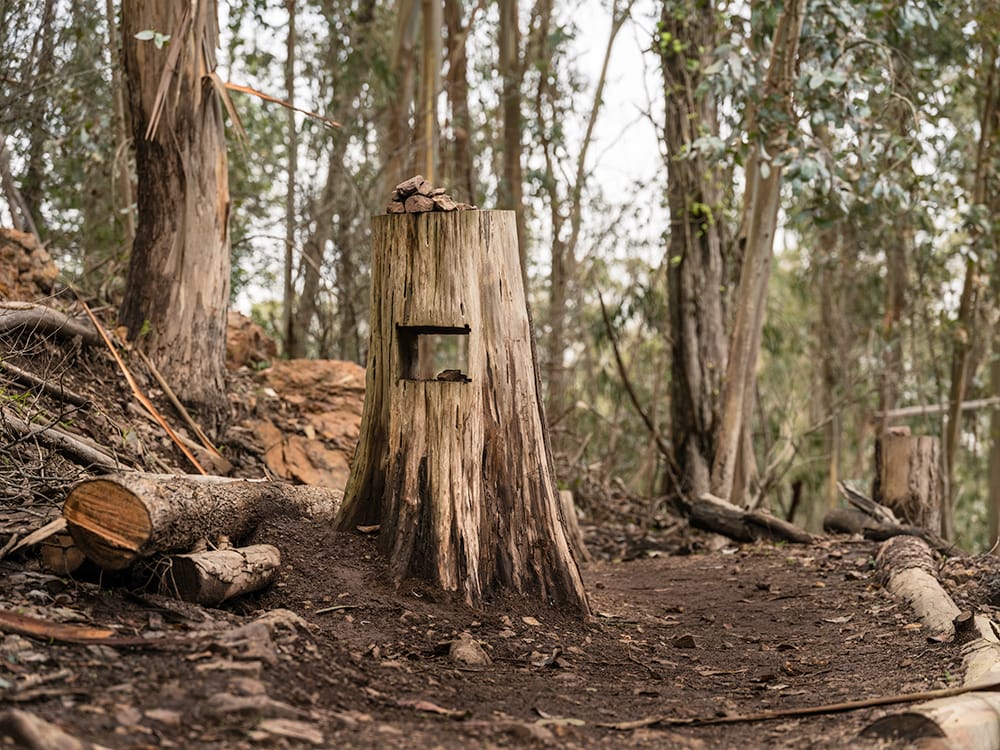
Nathan Lomas, Cyclical Trauma
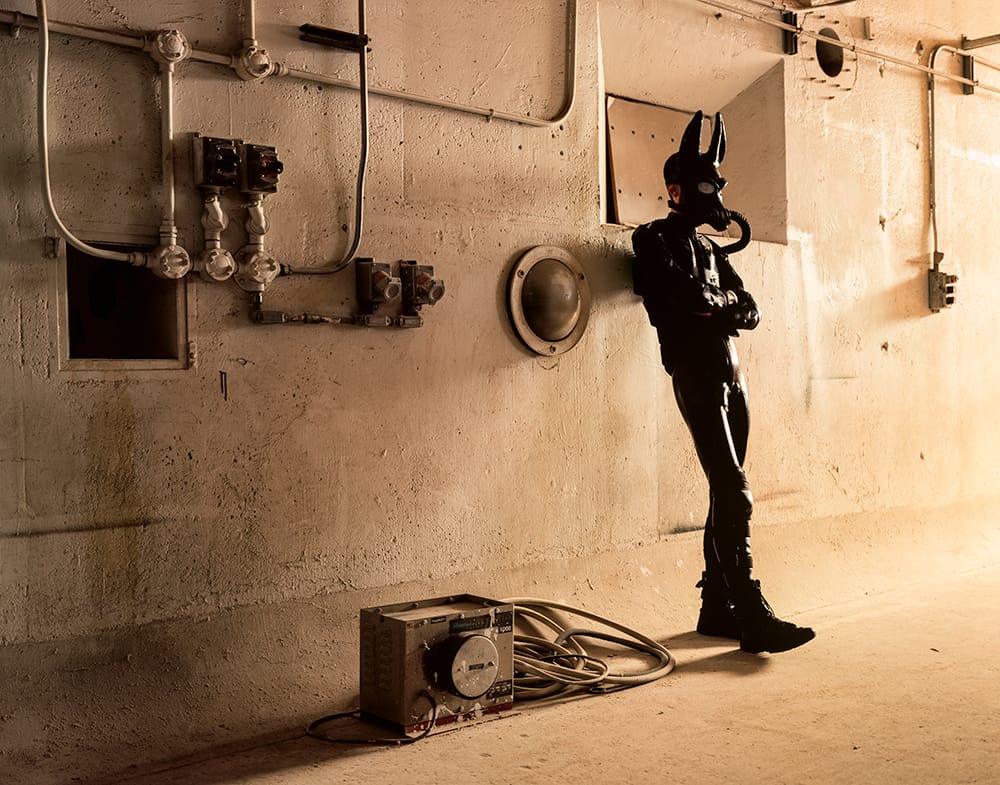
Nathan Lomas, Pup Sprocket
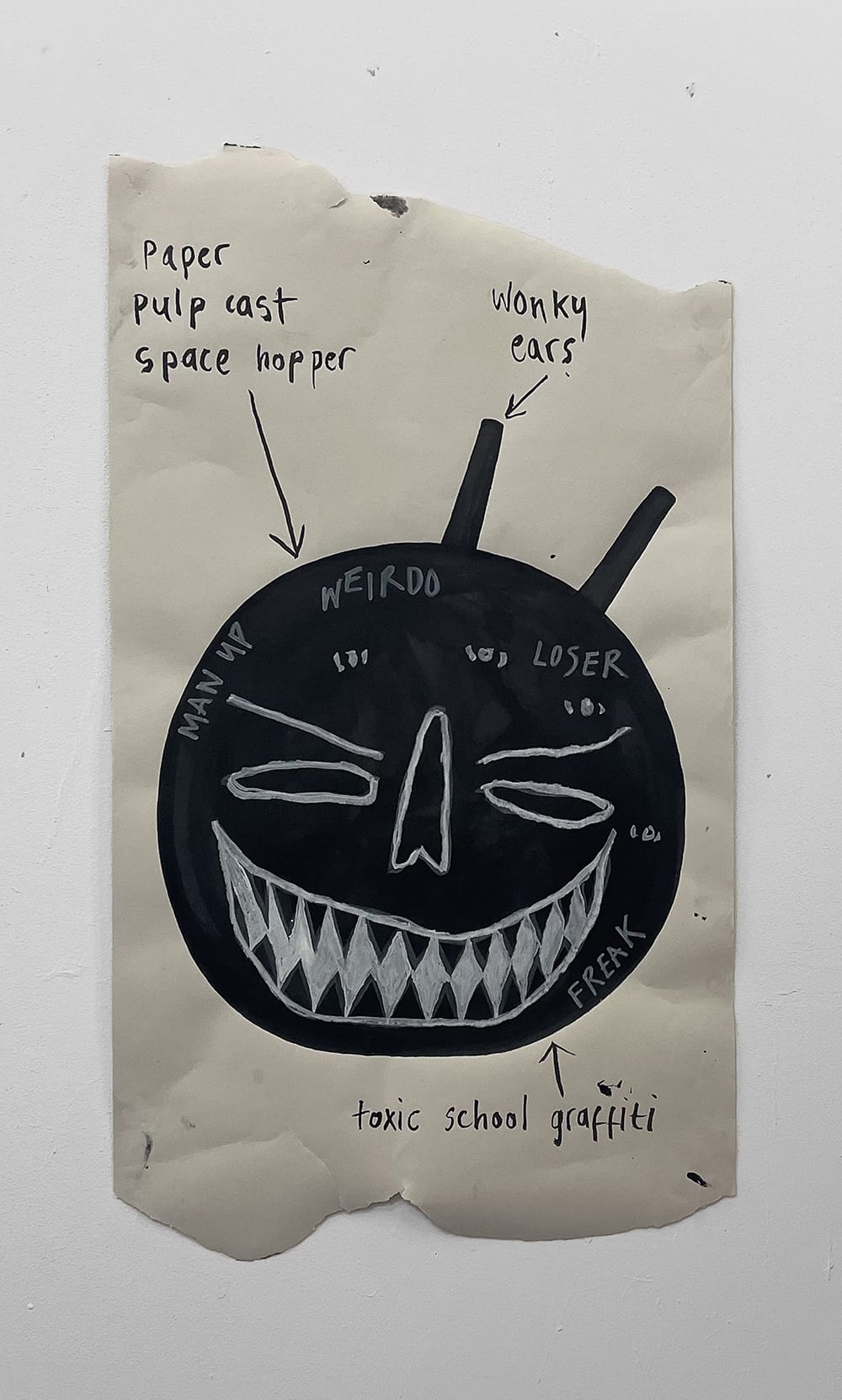
River Smith, Not Safe for Childhood series
"These are visual explorations of how we survive, transform, and rise from the ruins of what shaped us. Each piece becomes a vessel: a place to name the unnamed, to surrender to what was, and to open to what could be." - River Smith
What unfolds here isn’t built around a single theme, but held in conversation: across disciplines, across approaches, across the many ways the world tends to silo and flatten. What connects these pieces isn’t genre or even a shared politics, but a shared refusal. A refusal to tidy up the mess too soon. A refusal to make work that performs its own relevance. A refusal to speak only when spoken to.
Jake Wood, Muscle Mary
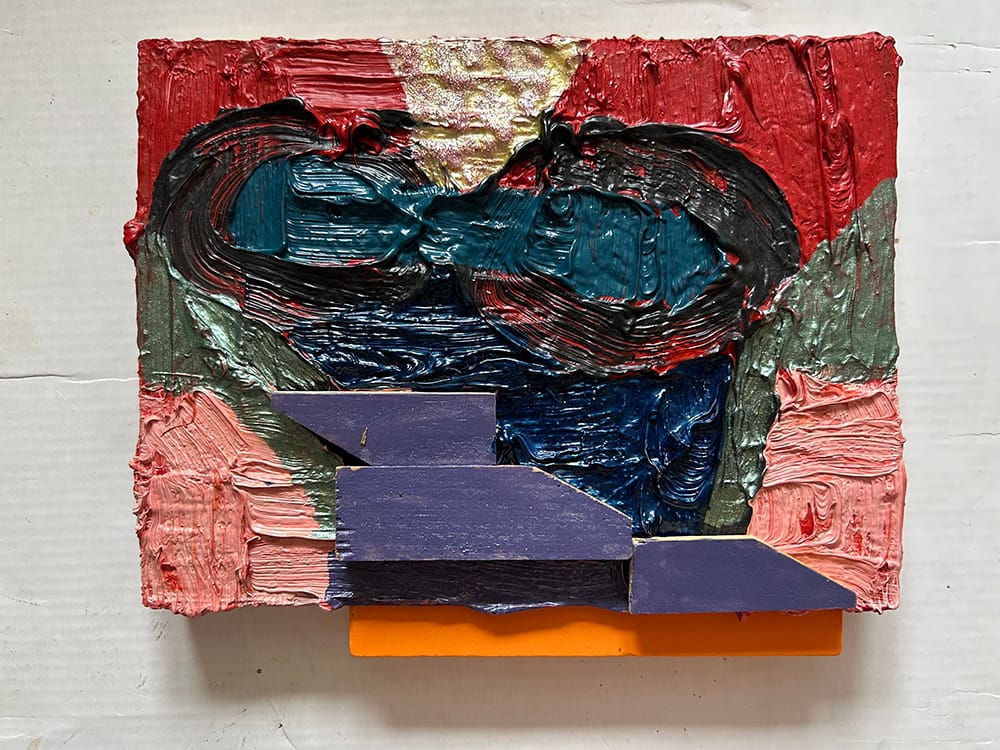
Enzo Marra, Gathering
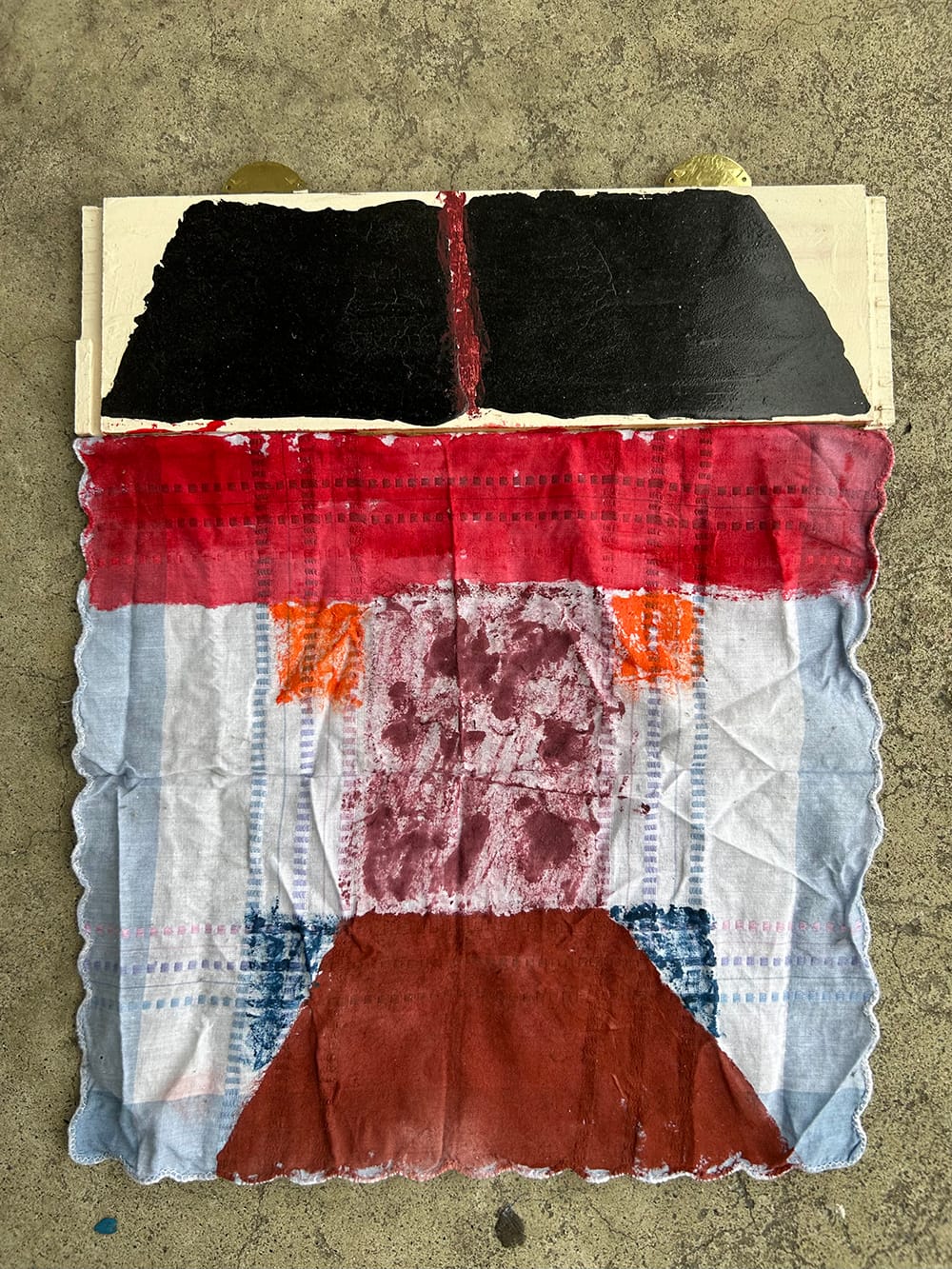
Enzo Marra, Happening
Jonathan Armour, Angel Skins
Something slips the skin as self, a shimmer of diffuse glow across a shifting frame. Angel Skins moves like a séance of facades, a slow rotation of bodies worn and shed. Matryoshka logic. Not stripped back but layered forward each surface catching the next. In Jonathan Armour’s wider practice the idea of birth sleeves recurs, lifted from Richard K. Morgan’s Altered Carbon, bodies as vessels, skins as temporary homes. Here that speculative fiction flickers less prophecy more residue. The voice detached and intimate drifts through Lyotard’s Libidinal Economy pulsing with synthetic warmth. Not quite divine. Not quite digital. Like auto-destructive art it had to be invented. Content becoming form. A body resequenced again and again.
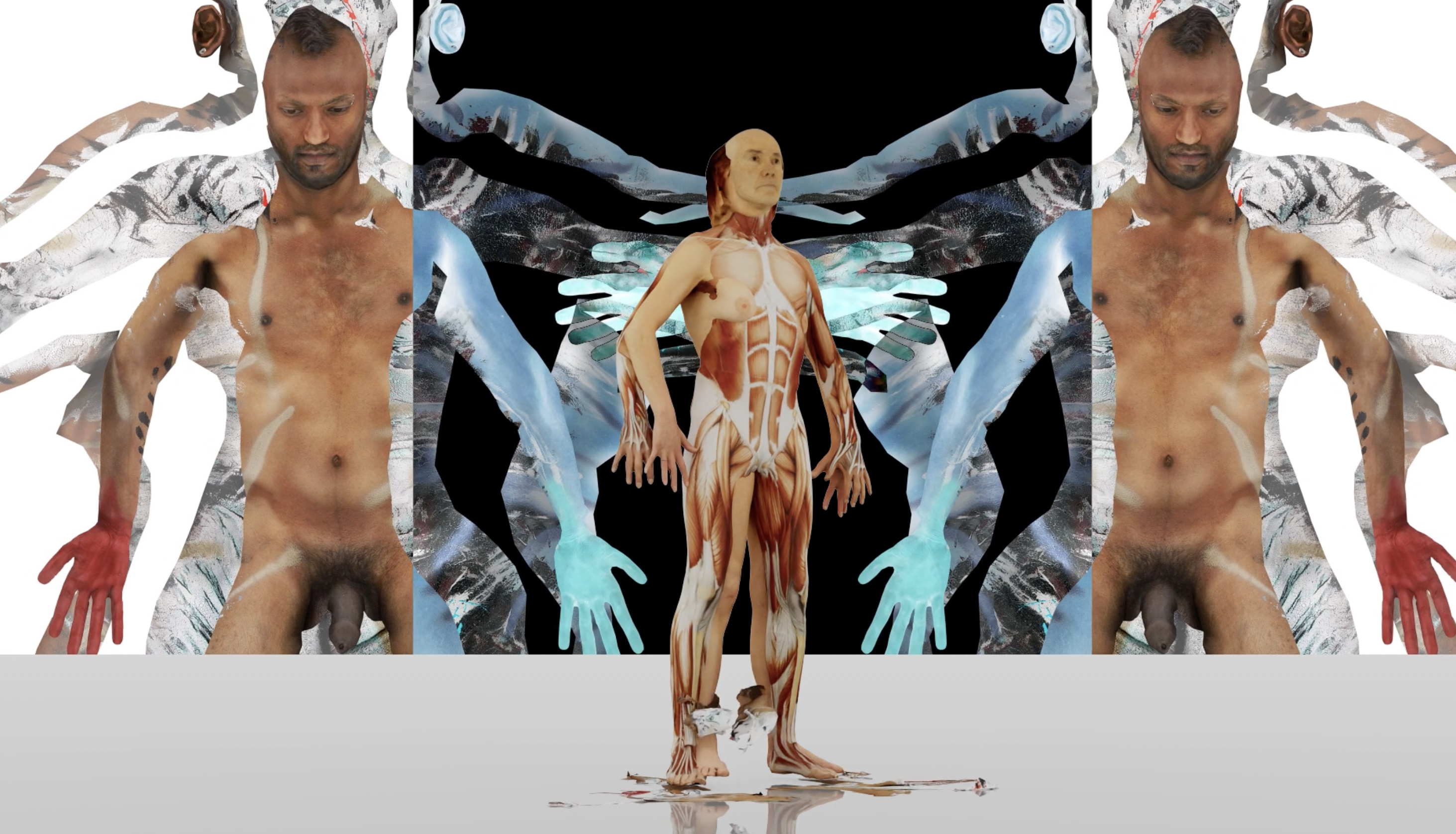
Jonathan Armour, Angel Skins (video still)
“Combining the concepts of avatars and matryoshka dolls, this is an exploration of multiple identities. We all use different facades in different situations, but I imagine that with the advancement of technology, we will soon be able to swap these literally.” - Jonathan Armour
Soft Territories is curated by Jared Pappas-Kelley, artist, writer, and co-founder of Pup and Tiger. His past work has haunted places like Art Monthly, Cabinet, 3:AM Magazine, and The Rumpus, among others. His recent book Solvent Form: Art and Destruction was published by Manchester University Press, followed by the collection To Build a House that Never Ceased, with their newest, Stalking America, published by Delere Press. He’s written about ruins, disappearance, and the slippery nature of objects. Which feels relevant here. He’s also spent years building weird, independent spaces that didn’t last forever but mattered while they did. This is another one of those.
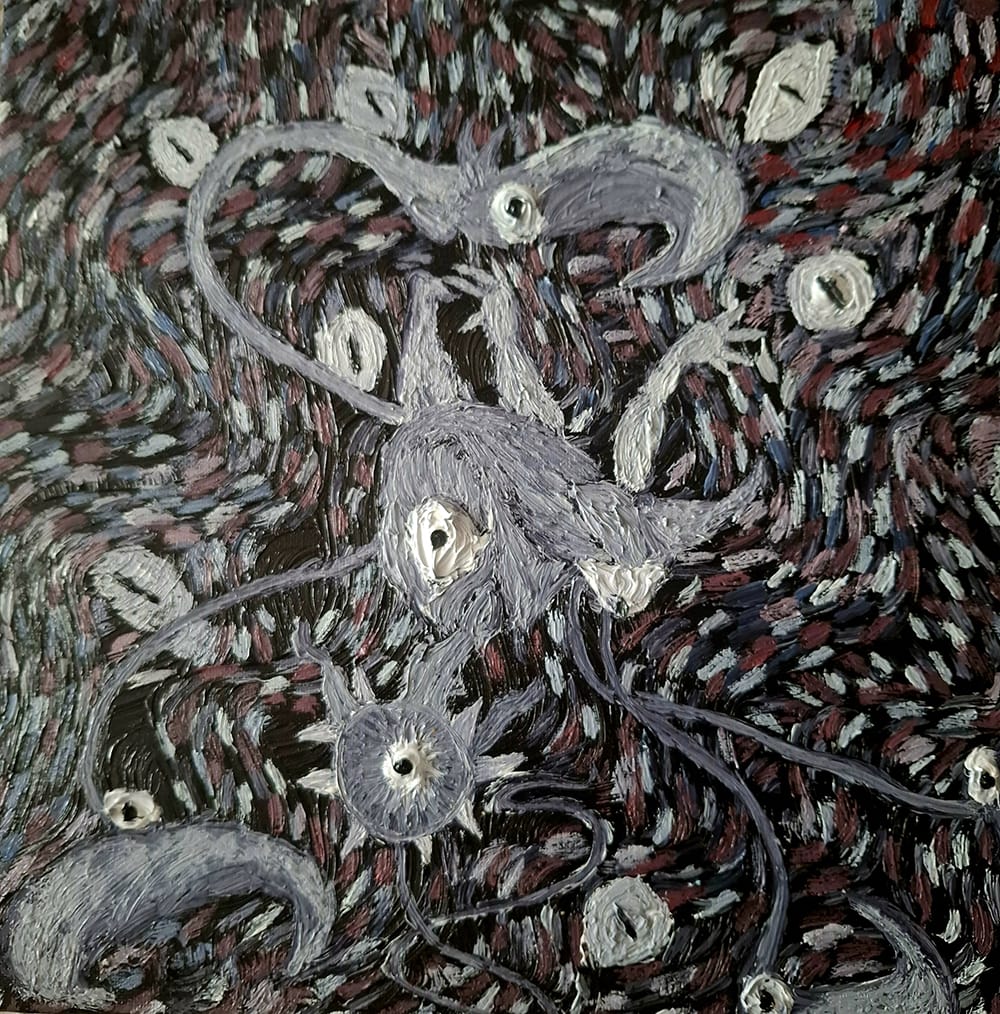
James Mellor, The Fiend
Sai Aryal, Dragphoria
"This short film, Dragphoria, presents an exploration of deeply personal and vulnerable expression of my identity through drag and gender fluidity. It shows how I evolved as a person throughout the years, sharing an intimate reality of growing up in South Asia as a queer person." - Sai Aryal
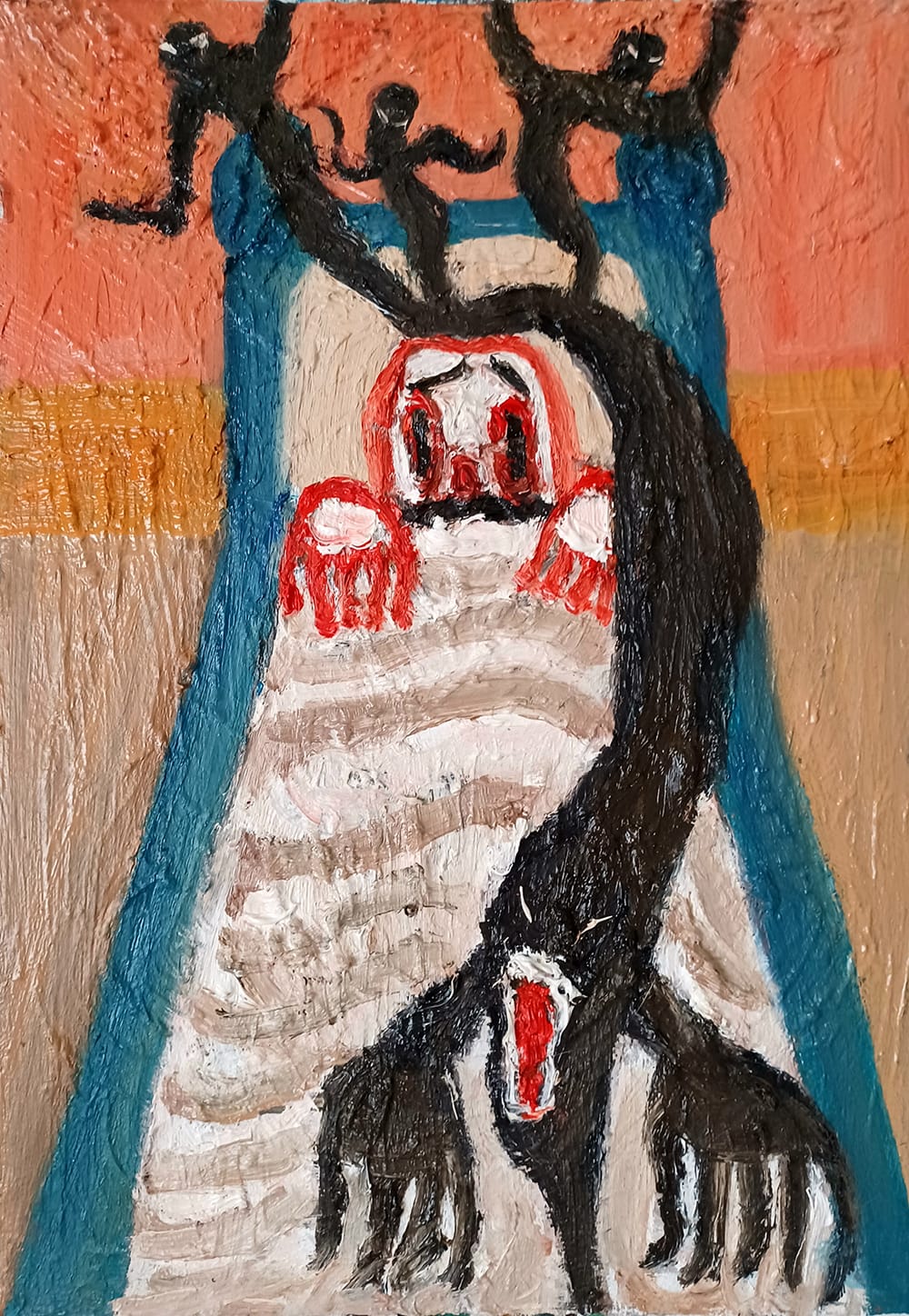
Fabienne Jenny Jacquet, Nightmares
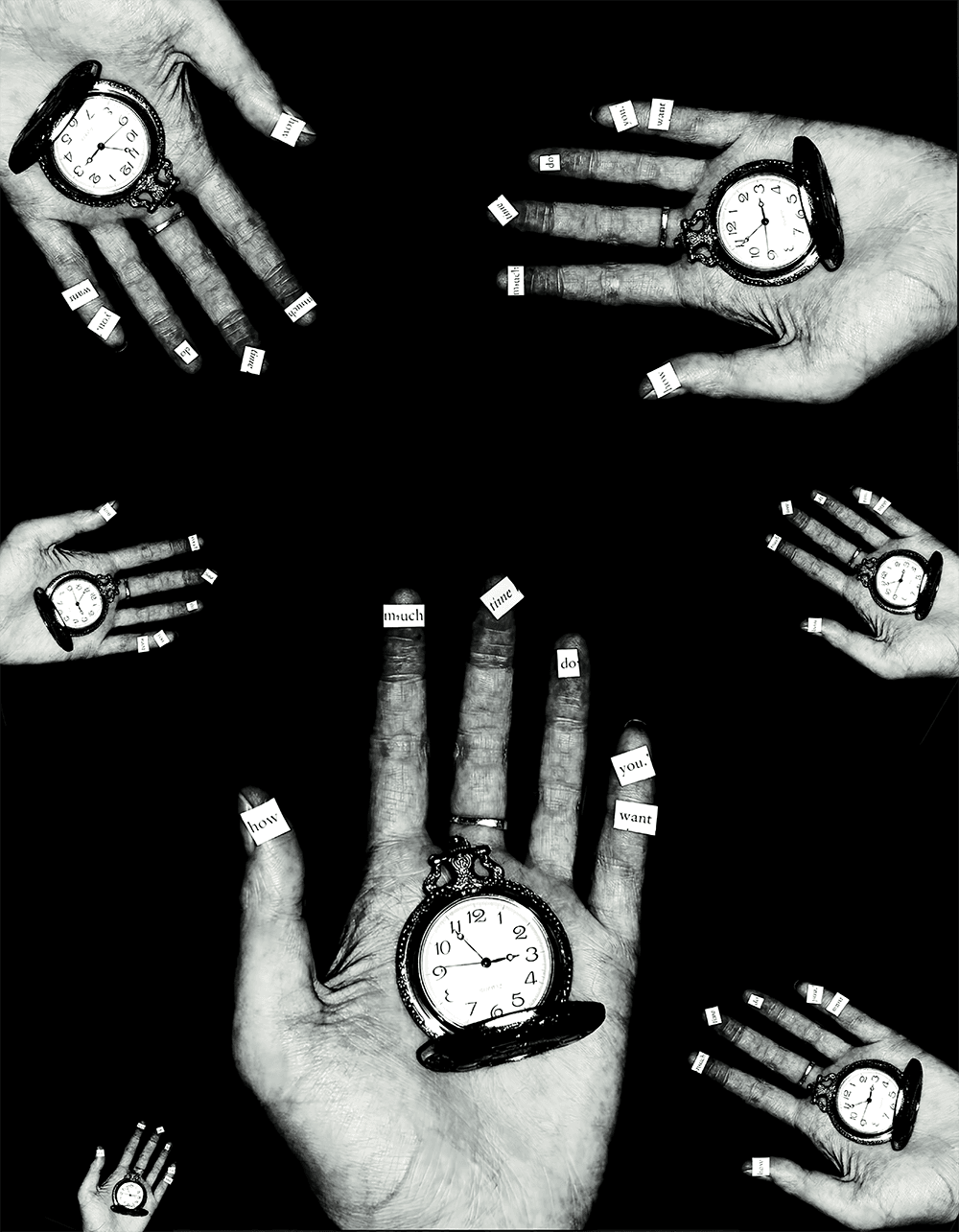
Nicholas Davies, from Blacking Out On Concrete 1
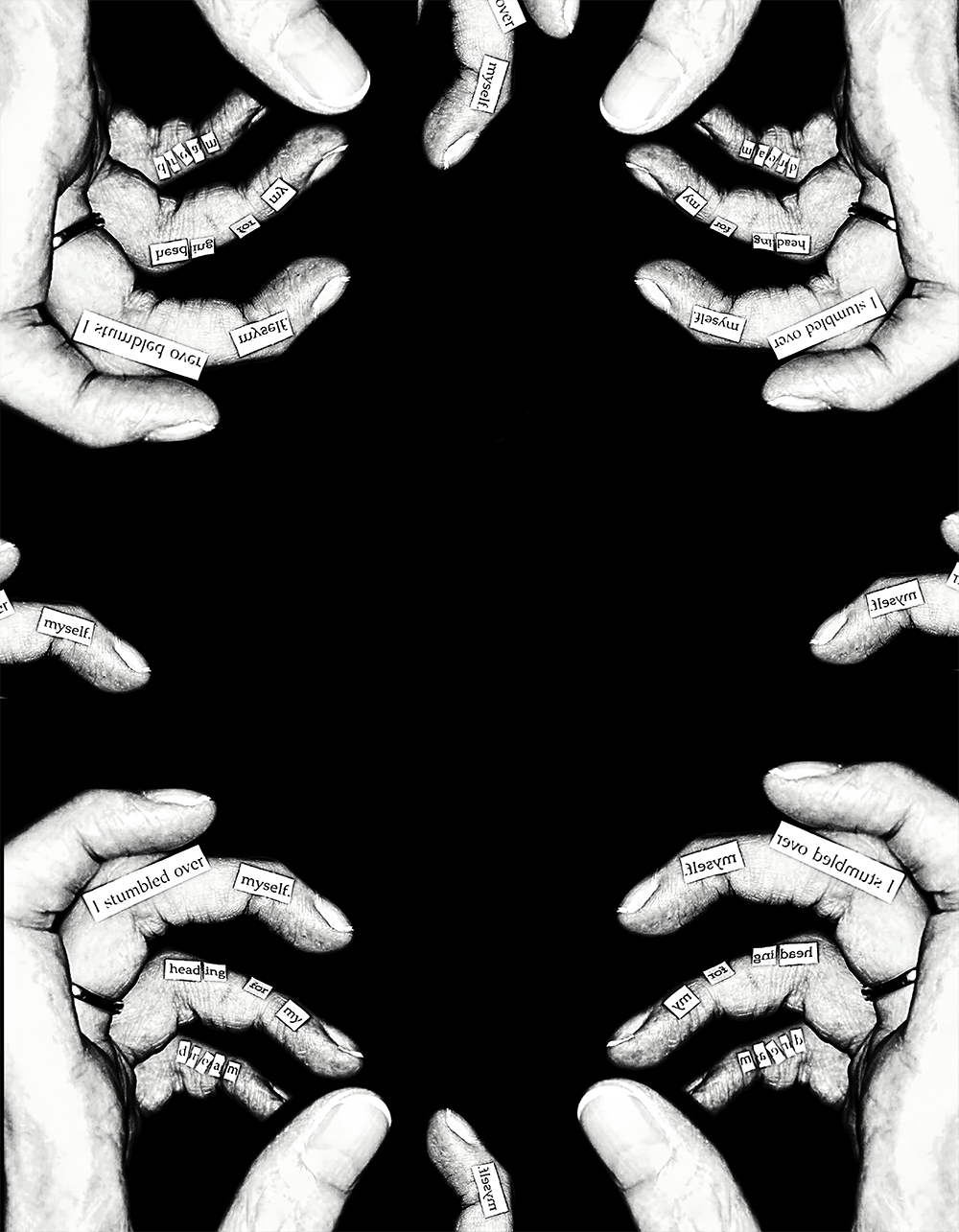
Nicholas Davies, from Blacking Out On Concrete 1
***
Soft Territories Crossing One/New Haunts: A conversation with Jared Pappas-Kelley (part 1)
Jared Pappas-Kelley is an artist, writer, and co-founder of Pup and Tiger. His past work has haunted places like Art Monthly, Cabinet, 3:AM Magazine, and The Rumpus, among others and he is the author of three books including Stalking America, Solvent Form: Art and Destruction, and To Build a House that Never Ceased. He’s written about ruins, disappearance, and the slippery nature of objects. He’s also spent years building weird, independent spaces that didn’t last forever but mattered while they did. All of which feels relevant here as we share a lot of crossovers in our interests and ideas of the nature on the unnatural things that haunt our world along with my background of working with and running small artists spaces in Dublin.
In the conversation that follows, we dig into the origins and ethos of Pup and Tiger, the thinking behind Soft Territories, and what it means to build spaces that are messy, generous, and alive. Jared talks about shapeshifting formats, the legacy of queer and DIY art spaces, changelings, slutty pop, and the politics of cringe. There’s talk of ghosts, glitchy futures, and what it might mean to haunt the art world rather than conform to it.
This is the first half of a conversation between Jonathan Mayhew and Jared Pappas-Kelley, shared here as part of Soft Territories: Crossing One, the opening showcase in a dispersed series curated by Pup and Tiger.
***
Jonathan Mayhew: As is tradition here we are again continuing our conversations exploring Jared’s latest project Pup and Tiger, a queer run art space that’s based in Canterbury (no better place to haunt) which is incredibly vital not just for queer arts visibility but for the arts in general for the UK as they’re facing massive funding cuts and loss of supports from government. It’s an incredibly generous and important space to bring to the UK in this time of crisis. Jared as you know better than I, could you introduce Pup and Tiger to us and also who your partner in this beautiful endeavour is?
Jared Pappas-Kelley: Pup and Tiger is something that Ash Sweeney and I have been building quietly for a while now, both as a physical space and an ethos. At its heart, it’s a queer-owned art space and café, but also a kind of platform or staging ground for art that’s often overlooked, work that’s intimate, process-based, deeply felt, and sometimes messy in the best way. It’s a space for conversations and weirdness and evolving. It came out of this sense that so many of the spaces we needed, especially as queer artists and audiences, were either disappearing or never there to begin with. So we decided to build one.
We’ve spent years immersed in the art world but also adjacent to it. I ran a gallery and directed a nonprofit that staged large-scale exhibitions in unconventional spaces, with cities as the backdrop or material, or installations in buildings on the edge of use. I think a lot of that is still in Pup and Tiger’s DNA: this interest in what’s falling apart and what can still be built in those cracks. And Ash brings this incredible photographic eye and care for community that shapes everything we do. We’re both trying to make something that’s generous but also critical. A space for artists who are often left out of the conversation.
JM: Another of the Weaklings OG’s Diarmuid Hester’s book Nothing Ever Disappears documented the history of some spaces that still haunt the landscape of the UK. Queer spaces have been vital for building and developing culture in general as free space of exploration, did you have any models of spaces to draw upon, I know you have a history of making spaces and places yourself?
JPK: Absolutely, and spaces like those, and even the Weaklings as well, definitely left an imprint in how this kind of work is approached. (Dennis, are we still Weaklings even now that the site is gone?) I’ve always been drawn to spaces that don’t quite make sense, that exist somewhere between formal institutions and punk DIY. I’ve run a few different artist spaces over the years, most of them temporary by design or necessity or with more legacy. I think about the lore of places like Black Mountain College as experiments, alongside the more personal influence of experimental art spaces in Olympia and Seattle, which were formative for me. Some were fleeting by design, but they shaped whole generations. What matters is that they happened. They became sites of energy and transmission. That’s what we’re aiming for with Pup and Tiger. A soft haunting.
It’s part of why I’m so focused on building a physical space again. A swipe right mentality still permeates. There’s something incredible that can happen when you bring people together in a physical space, this kind of soft, casual energy that can’t really be replicated elsewhere. It becomes part of the fabric of a place and is very inspiring. I grew up going to art spaces, DIY venues, and in Seattle especially, it was all about coffee house culture. A lot of the people I met in those environments went on to do world-shifting things in art, music, or film. But those early, informal encounters, the ones where nothing in particular is expected of you, they matter. And I worry that we’re losing that. Whether through design or neglect, the world feels like it’s becoming increasingly hostile to those types of open, generative spaces, especially for generations coming up.
There’s also this creeping sense of the politics of cringe, a fear of putting something vulnerable or sincere into the world. But we’re up against genuinely grim circumstances and having grown up in the US and lived in the UK for many years, I can see that same kind of flattening taking root here too. That only makes it more urgent to nurture physical spaces where people can gather, take risks, and feel connected, alive. We have to build the environments we want to inhabit, then protect and care for them. That’s what we’re trying to do with Pup and Tiger.
JM: Taking risks is really important for art to grow and harder and harder these days to do in the hyper curated shiny happy smooth online world we live in, so its fantastic Pup and Tiger is here, as Huggy Bear said, you gotta take the rough with the smooch. You had an open call and this exhibition titled Soft Territories, and I’m curious about the title. Our world seems increasingly rigid, trapped in stark black-and-white binaries of us versus them. Could you elaborate on your fascination with softness and further unpack this concept?
JPK: Soft Territories came out of a desire to hold space for ambiguity, for shifting states, open-endedness, and porous boundaries. So many of the artists we’re working with navigate these in-between places: between digital and physical, between identities, between past and future. Softness, in that sense, isn’t weakness. It’s a kind of refusal, a resistance to being easily defined or consumed.
The show plays with that. There’s a looseness in form, but also a deeper throughline of care and speculative thinking. Coming to terms with or moving through, this notion of being more than one thing at the same time, as a way of navigating contemporary life. The “territories” part refers both to geography and embodiment. It’s about mapping something that resists being mapped. And maybe that’s the most radical gesture right now, to embrace softness in a world that demands certainty.
JM: It feels like I’ve been “existing” in this Softness for a while with my own practice, so its lovely to have a name for it. I know one of the threads you’re pulling on in Soft Territories explores the rupture of our humanness into the digital and that strange feedback loops it can create. We have definitely surpassed the Cronenbergain taboo of merging with technology, ‘long live the new flesh’ and is something I think Michel Serres was getting at in his essay Thumbelina where having the Internet gives us access to information that makes us freer to create with all its information at our fingertips.Like how we have never met IRL but are able to have this on-going conversation and why places like Dennis Cooper’s and Pup and Tiger are deeply important for a deeper exploration of ideas that then leads to creativity. How do you see this entanglement of the digital and humanity blurring play out in the works that were included?
JPK: Yeah totally, there are a lot of threads running through this work, but one that kept surfacing was that blur between the digital and the human. Not as estrangement, more like a soft merging. A coercion. Things leaking into each other.
Ray Luke Cuthbertson’s Wintermute really sits in that space. He talked about being a trans teenager obsessed with William Gibson, and you can feel that in the work. And it makes sense that the piece takes its name from Gibson’s AI, Wintermute. In the book, if I’m remembering correctly, Wintermute is always stretching, trying to evolve, to unlock. Not exactly human desire, but still a kind of strategy. That coded determination feels close to the way Ray’s work flickers, images stuttering into being, glitch not as error but as measure. Becoming. The self not as fixed but constantly re-rendering.
Or Les Beaux Plastiques’s nanotesla kind of scrambles all that, takes planetary magnetospheres and turns them into audio-visual feedback, this strange music that almost lets the data feel emotional. And Jonathan Armour’s work pulls it back into the body, but a body already fused with something else. Flesh as interface. There’s something very corporeal in all this but coming back for another pass. Which maybe gets at what you were saying, this entanglement. But also, this metamorphosis, where we’re more than one thing at once. A shifting of phase, not quite arriving, just always in motion. Finding forms. There’s something very queer to this conception.
JM: We’re definitely in unknown territories with technology at our finger tips, it took 100 years to feel the full effect of the printing press on society and the iPhone was only released 18 years ago. It has become part of us in many ways so it’s great to have artists exploring our new fusion with its affects and effects. Your descriptions of the works is making me think of Byung-Chul Han who has been delving into how we exist through technology even when we’re not logged in through our avatars and social media, his hope is that we reclaim authenticity using technology rather than being used and avoid the narcissistic nature and commodification of the self by disrupting its operating systems. Returning to the idea of softness is there a curatorial concept or direction you will be taking Pup and Tiger in?
JPK: We’re thinking in terms of seasons rather than permanent collections. Each moment unfolds with a different texture. Some are more reflective, some chaotic. The guiding principle is care: care for artists, for community, for the process of making and unmaking. We’re also committed to showing work that might not get seen elsewhere, by artists who are queer, working class, disabled, or outside the usual art world circuits. At the same time, I’ve been at this long enough to have a wider network to draw from. What excites me is the chance to nurture what’s already growing here while opening the door to wider conversations, letting the local brush up against the unexpected, the astonishing. It’s what art is supposed to do: give form to what doesn’t yet exist.
If people want to find out more of what we are doing (and free copy of our new zine as well), they can sign up and keep updated here.
***
A recurring thread is the quiet merging of organic and synthetic forms. Folklore is retrieved and reinterpreted through queer embodiment. Personal desire, memory, culture, and identity filter through interfaces and gestures, whether sculptural, performative, or digital. These shared currents offer a way in, but they do not enclose the work.
The line between human and animal softens. Figures emerge that are part myth, part instinct, part echo, part longing, holding the strangeness of being many things at once, of remembering a wilder lineage. The work leaves space for divergence and contradiction, for the stray, the singular, and the speculative.
What binds these pieces is less a unifying theme than a shared willingness to inhabit the in-between, to remain porous to time, image, surface, and self.
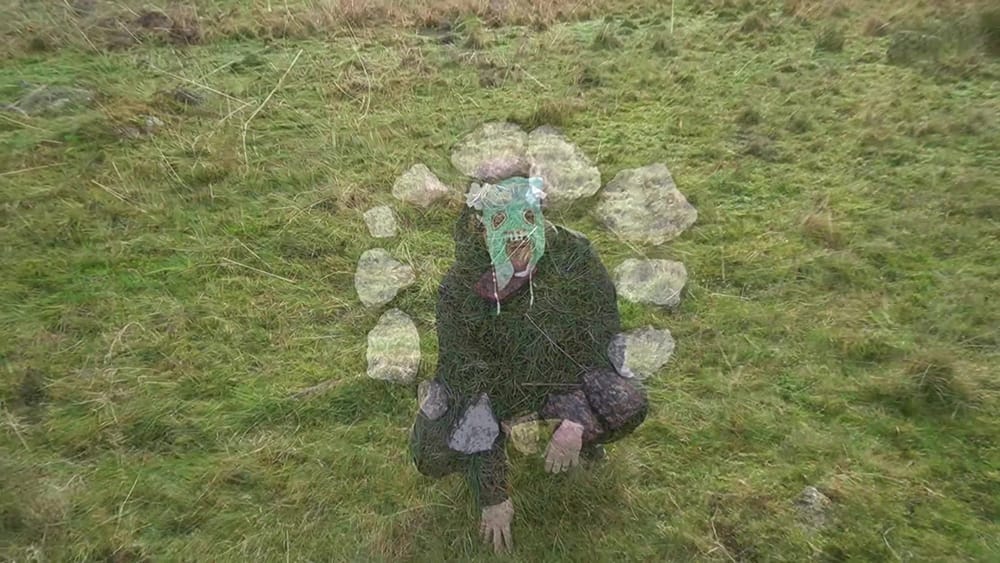
Brandon J. Barnard, Arc (video still)
Brandon J. Barnard, Arc
Somewhere between signal and story, Arc drifts across the moor like a thought half-remembered. Brandon J. Barnard’s video traces elemental markers: wind against grass, the glint of water, the orange husk of dried growth giving way to green. Created during a trip to Dartmoor guided by artist and folklorist Abigail Tinnion, the work emerges from prompts on portals, spirits, and spectral connections. Stone circles, tunnels of earth, offerings on cairns suggest a choreography of quiet thresholds. A figure appears, primal and indistinct. Impressions accumulate, atmospheric and unresolved, like the land is holding something just out of reach.
“Created on a trip to Dartmoor under the guidance of artist and folklorist Abigail Tinnion, this work looks into the themes of time and places, portals, spirits, and electricity.” - Brandon J. Barnard
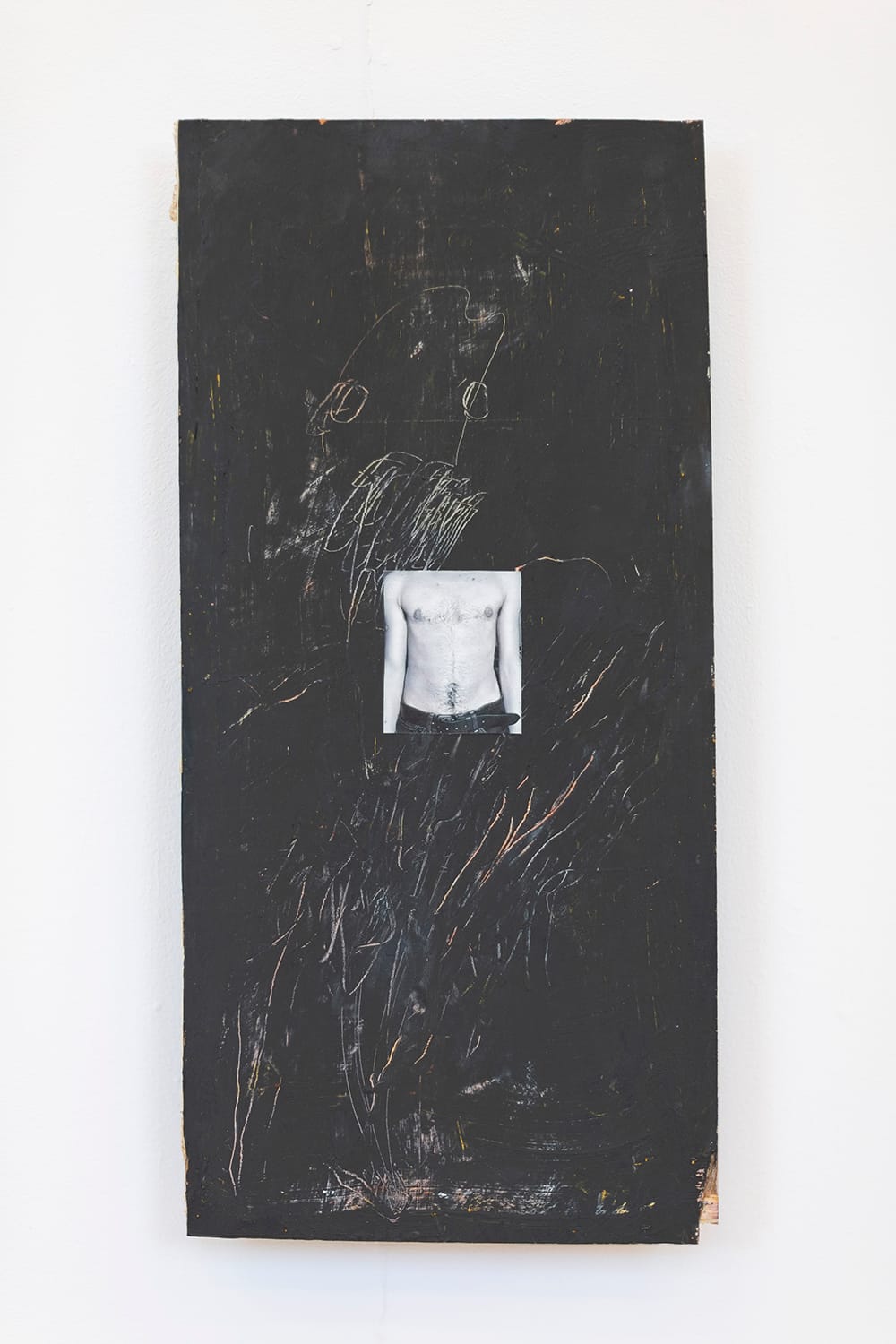
Thomas Arnold, Chest
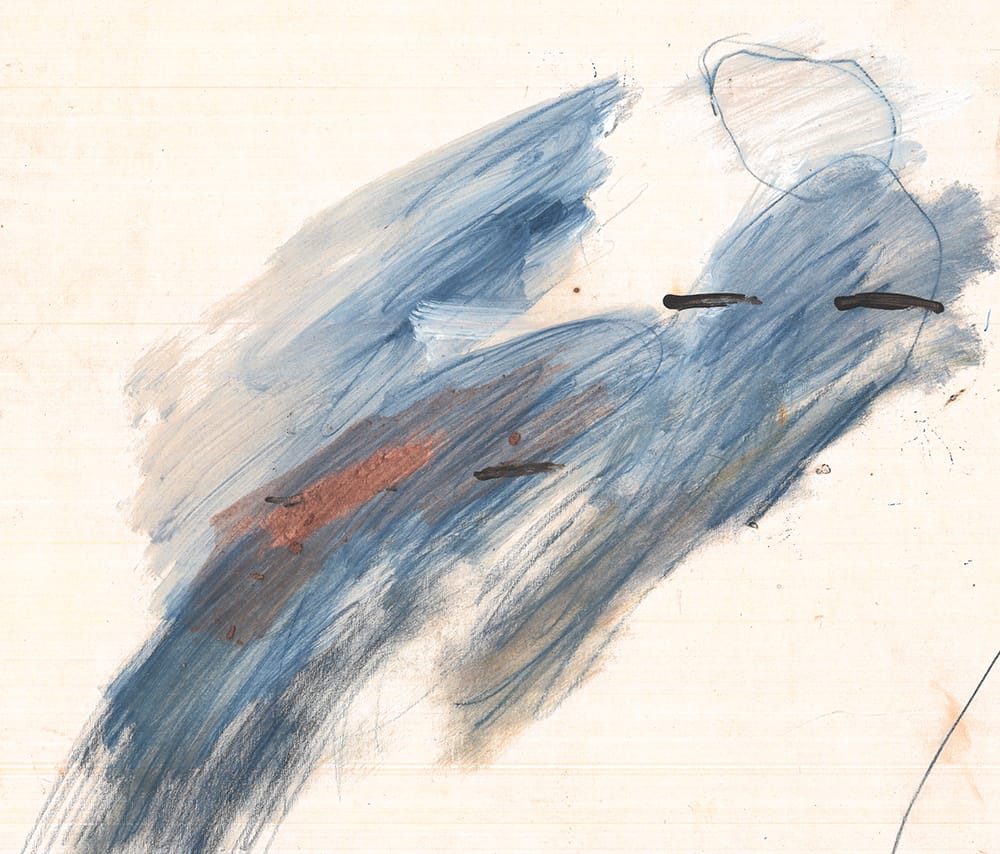
Thomas Arnold, Gravitating
“To be queer and exist is to pose a persistent challenge to preconceived notions of what it is to be in the world, and consequently, our experiences often fluctuate between extremes of connection and loneliness, longing and comfort, fear and desire.” - Thomas Arnold
***
There’s something about softness that unsettles people. Maybe because it doesn’t give you anything to grip. It absorbs impact, rather than matching it. It holds contradiction without blinking. That’s not fragility; it’s technique. It’s survival. In these soft territories, artists are making maps out of memories, rituals, half-remembered instructions. They’re building worlds out of what’s been discarded, overlooked, or quietly stolen back.
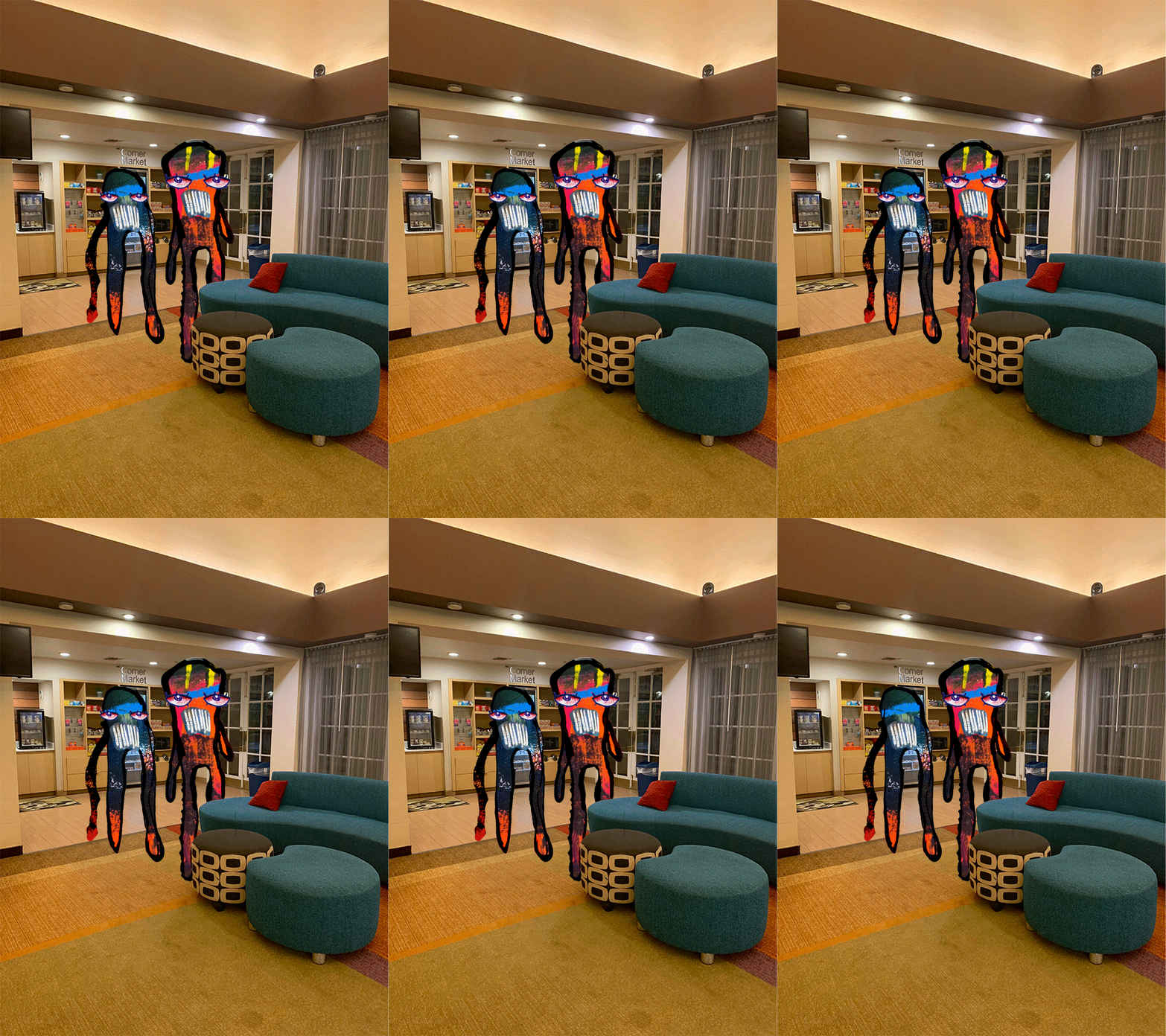
Eb Lauren, Passing
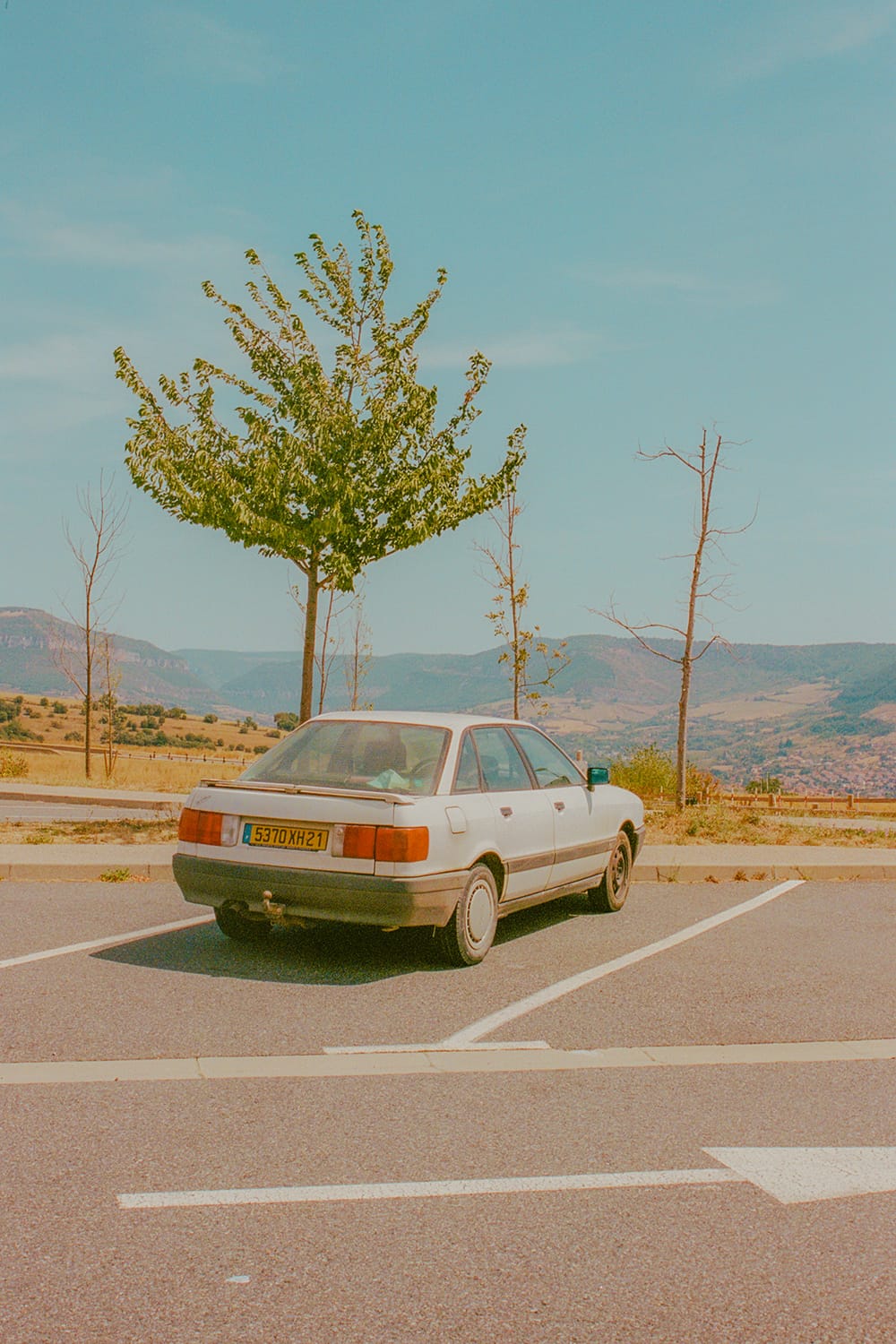
Jacqui Adams, Herault
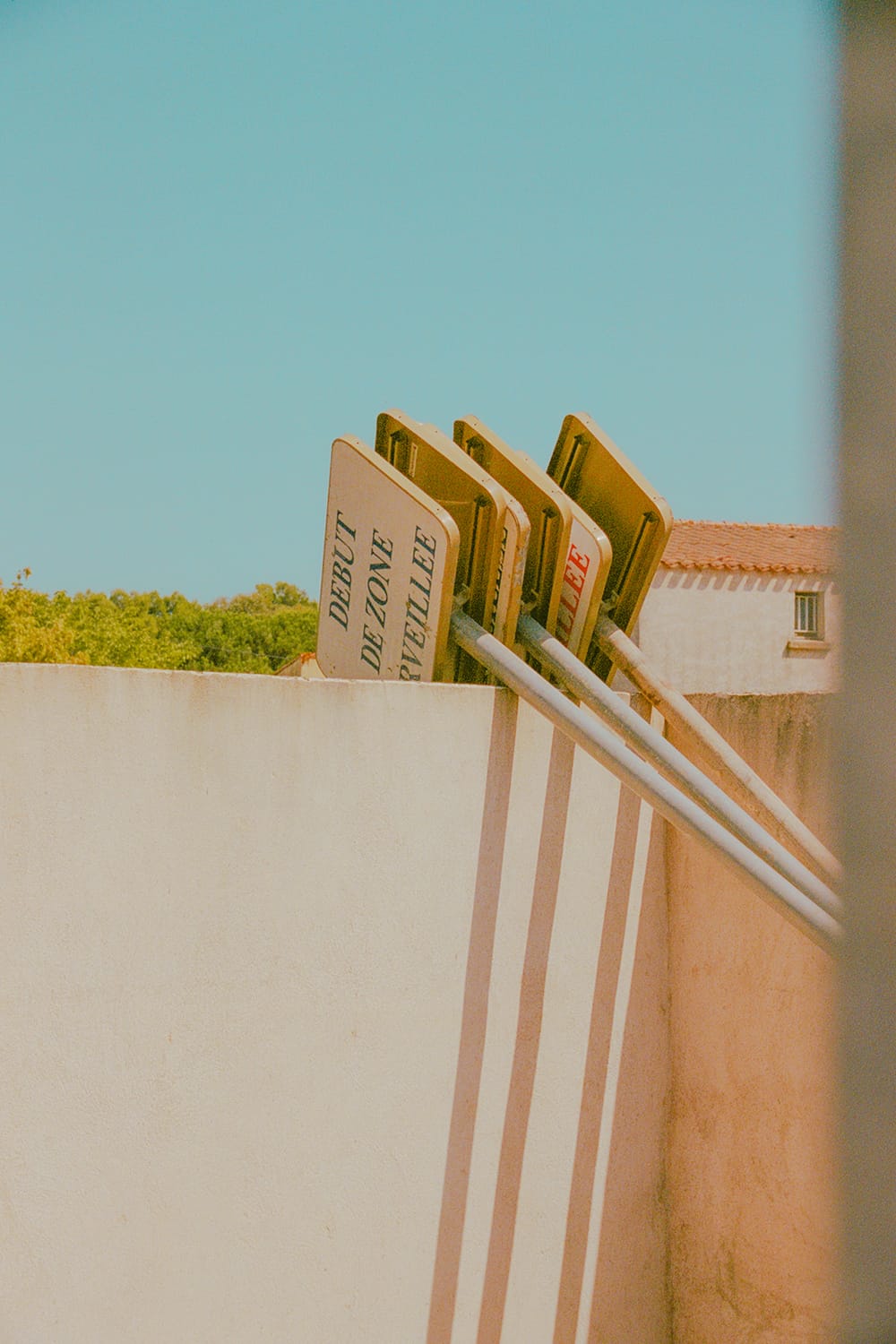
Jacqui Adams, Herault
“i once imagined in you i had found a sort of twin,
who deigned to set me free by being good at
everything.
and in that little window where i seemed special
to you,
any notion you believed was one i believed too.” - Jacqui Adams
We want to highlight work that does this: not work that represents identity in the expected ways, but that complicates it. Queer work that isn’t interested in explanation. Parallel work that isn’t looking for the centre. Art that stays in the room after the lights go out. If it’s neat, we’re suspicious. If it’s resolved, we’ve probably missed the point.
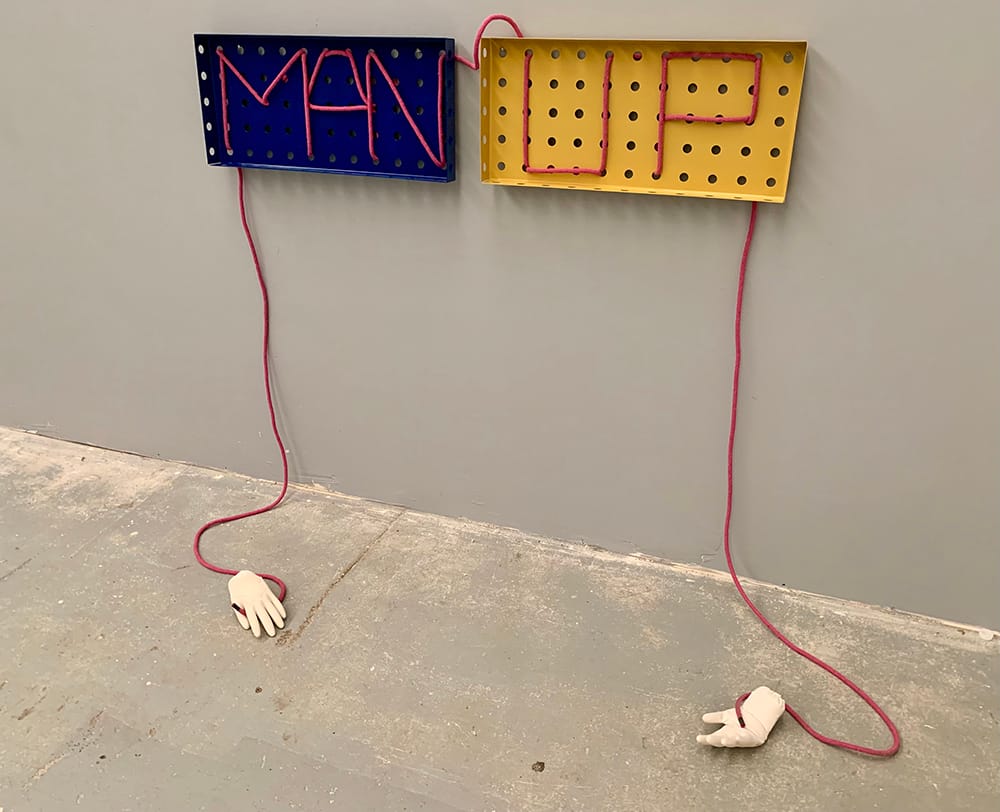
Jonathon Beaver, Constructs, play
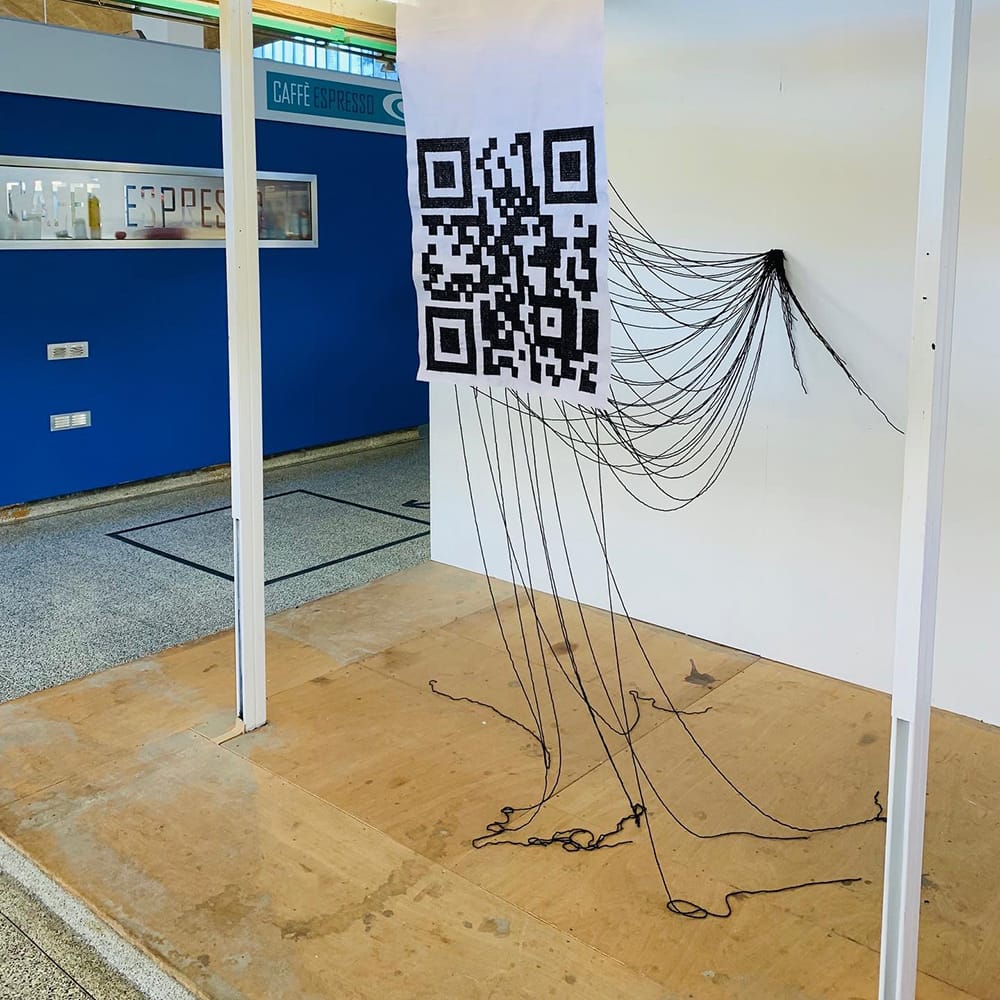
Jonathon Beaver, Distributed Craft Socials
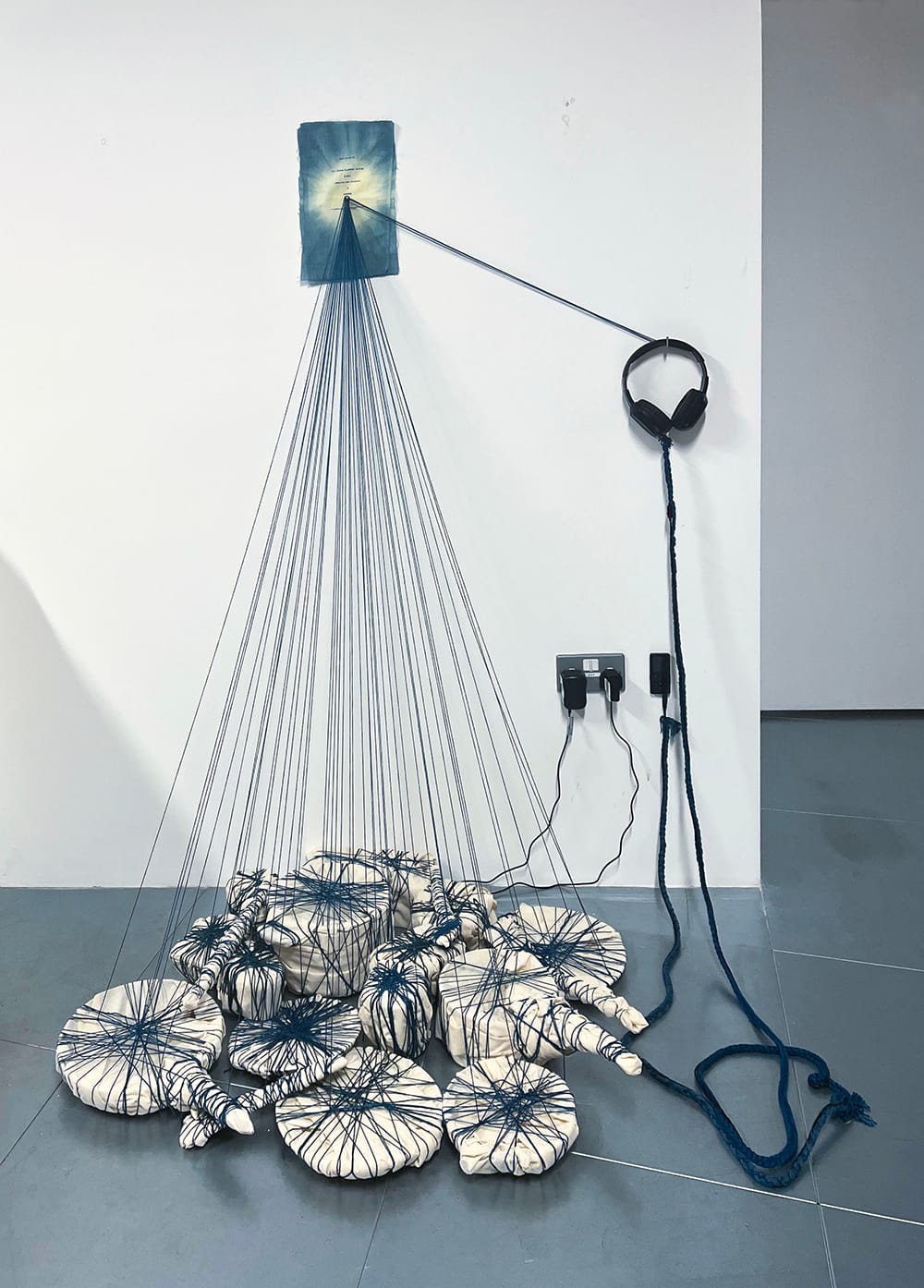
Shruti Gaonkar, Indigo Darpan
Shruti Gaonkar and soundscape collaboration with Joe Hirst, Indigo Darpan (audio)
Tethered parcels bound in indigo yarn cluster toward a shared point. From this nexus, a single pair of headphones stretches out, echoing the installation’s quiet gravity. Indigo Darpan (indigo mirror) threads together colonial history, banned theatre, and speculative protest. Taking cues from Dinabandhu Mitra’s 19th-century play Nil Darpan, Shruti Gaonkar refracts the legacy of British indigo exploitation in India into something both intimate and unresolved. The installation unspools its story not through linear narration, but through texture and tether, suggestion and stillness. The soundscape, developed in collaboration with UK-based artist Joe Hirst, functions as a spatial ghost, polyvocal and architectural. Together, they conjure a protest not yet past, where myth and record, violence and care, remain entangled.
“Indigo Darpan (indigo mirror) speaks about the British Indigo planters exploitation in India in 1800's through the lens of a then banned play called 'Nil Darpan' (Indigo Mirror written by Dinabandhu Mitra). In the polyvocal narrative the layers of facts, fiction and myths are contested, stuck, peeled, torn and rebuilt.” - Shruti Gaonkar
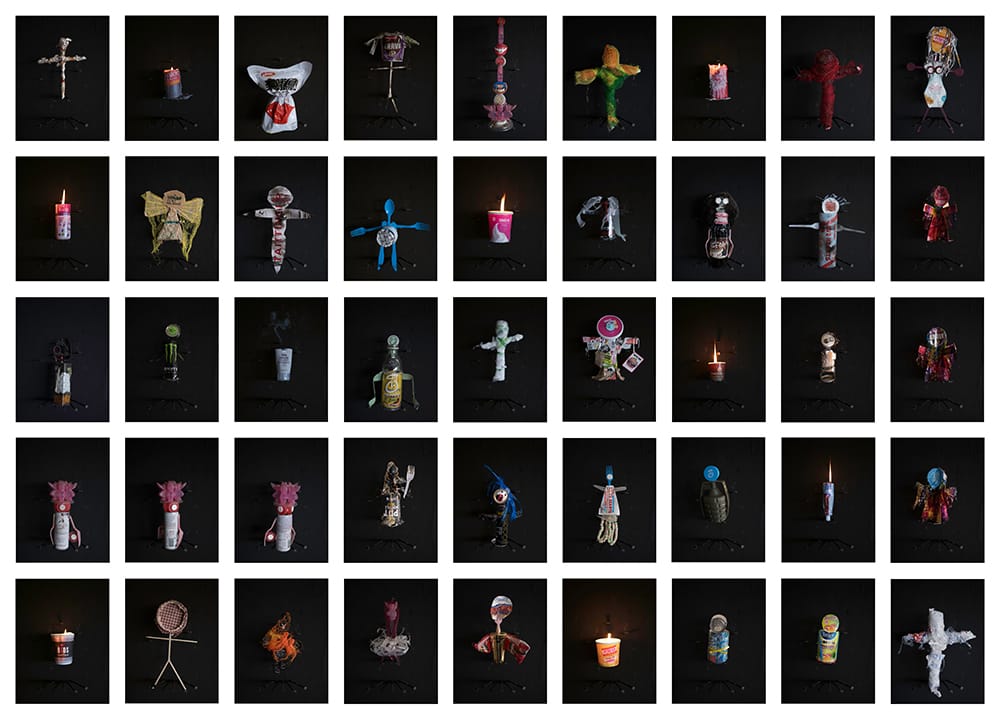
Dawn Woolley, Relics (grid)
“They seem powerful. Made from different types of packing material, and beginning to show signs of age, these Relics are not sacred objects that are preserved for centuries because they are culturally significant. They are waste that cannot be destroyed. Like janus figures they reveal both sides of their nature: commodities to be worshipped and rubbish to be discarded, the sacred and the profane. They are relics of advanced capitalism: our legacy for future generations.” - Dawn Woolley
This is an open and ongoing collection. It doesn’t follow deadlines or framing devices. It shows what artists are making, how they’re thinking, where they’re going. Whether the work is visual, time-based, text-driven, sound-oriented, or something that hasn’t quite been named yet, it’s present here. It surprises. It confuses a little. It doesn’t pitch a whole thesis, it simply shows where it’s working from.
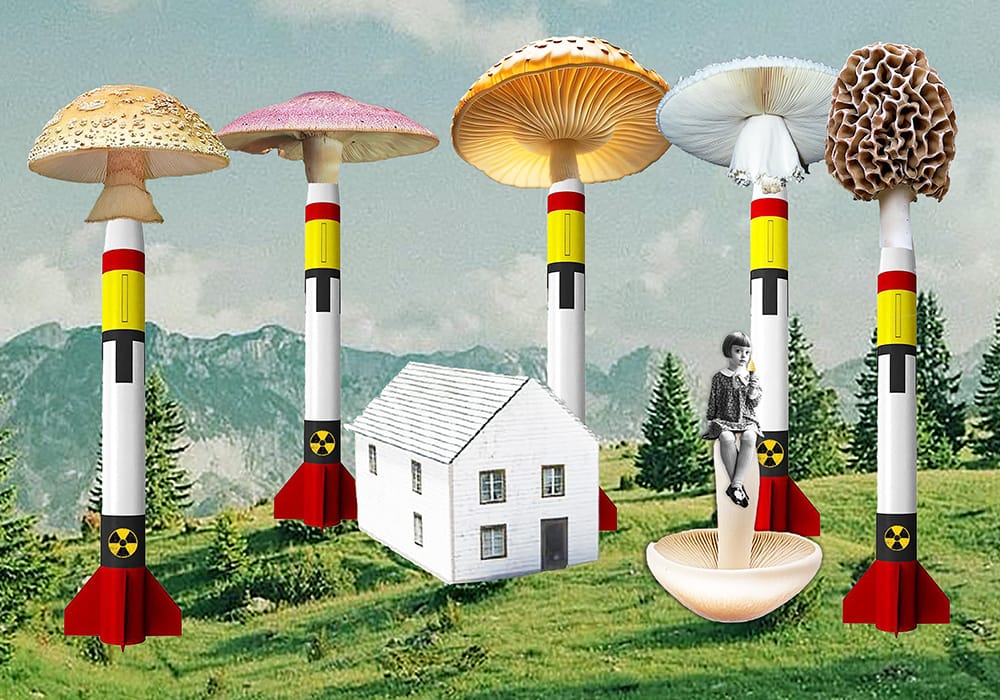
Helen Grundy, Magic Mushrooms
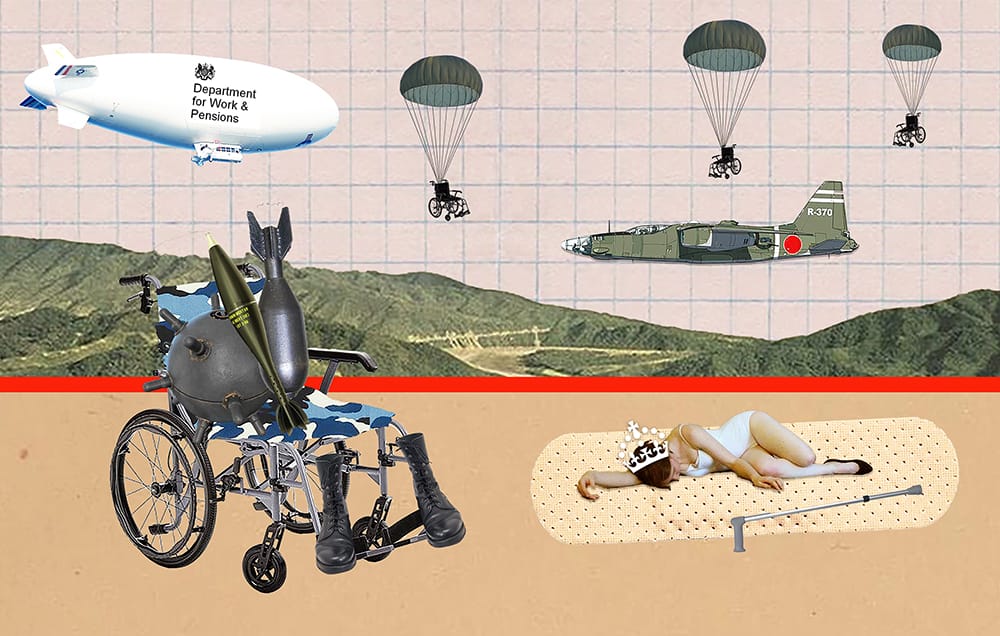
Helen Grundy, Welfare to Warfare
“Collage is an artform with recycling and repurposing at its core. I am interested in discard studies and themes around waste, trash and power systems. I am strongly influenced by punk culture and employ a DIY ethos of making something meaningful out of nothing. Currently I am making a series of Utopian works where I dismiss the dominant cultural vision of the future as apocalyptic and nihilistic and imagine a world where humans have worked together to make the world a better place for people, animals and nature with real social justice and freedom.” – Helen Grundy
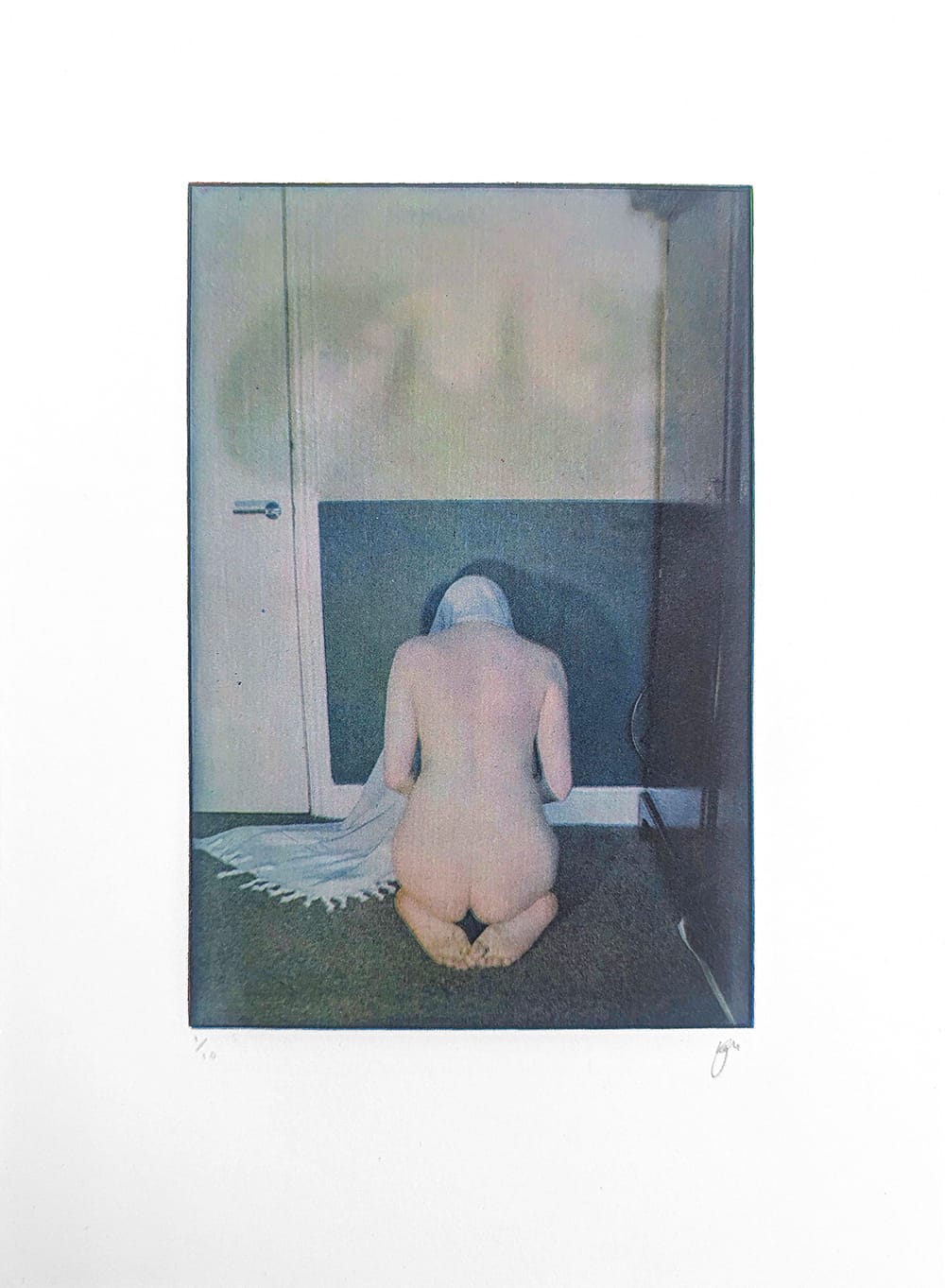
Thistle Morgan, Changelings
“This body of work examines their experiences growing up as a working-class, Catholic, young, trans*, and neurodivergent individual. ‘Changelings’ critically engages with the societal expectations imposed on young people and the profound impact of a religious upbringing on queer youth.” - Thistle Morgan
Selected works appear both online and in print, in dialogue with exhibitions, conversations, and whatever else unfolds. Nothing in this series is fixed. The format shifts in response to what takes shape. A soft structure for soft edges.
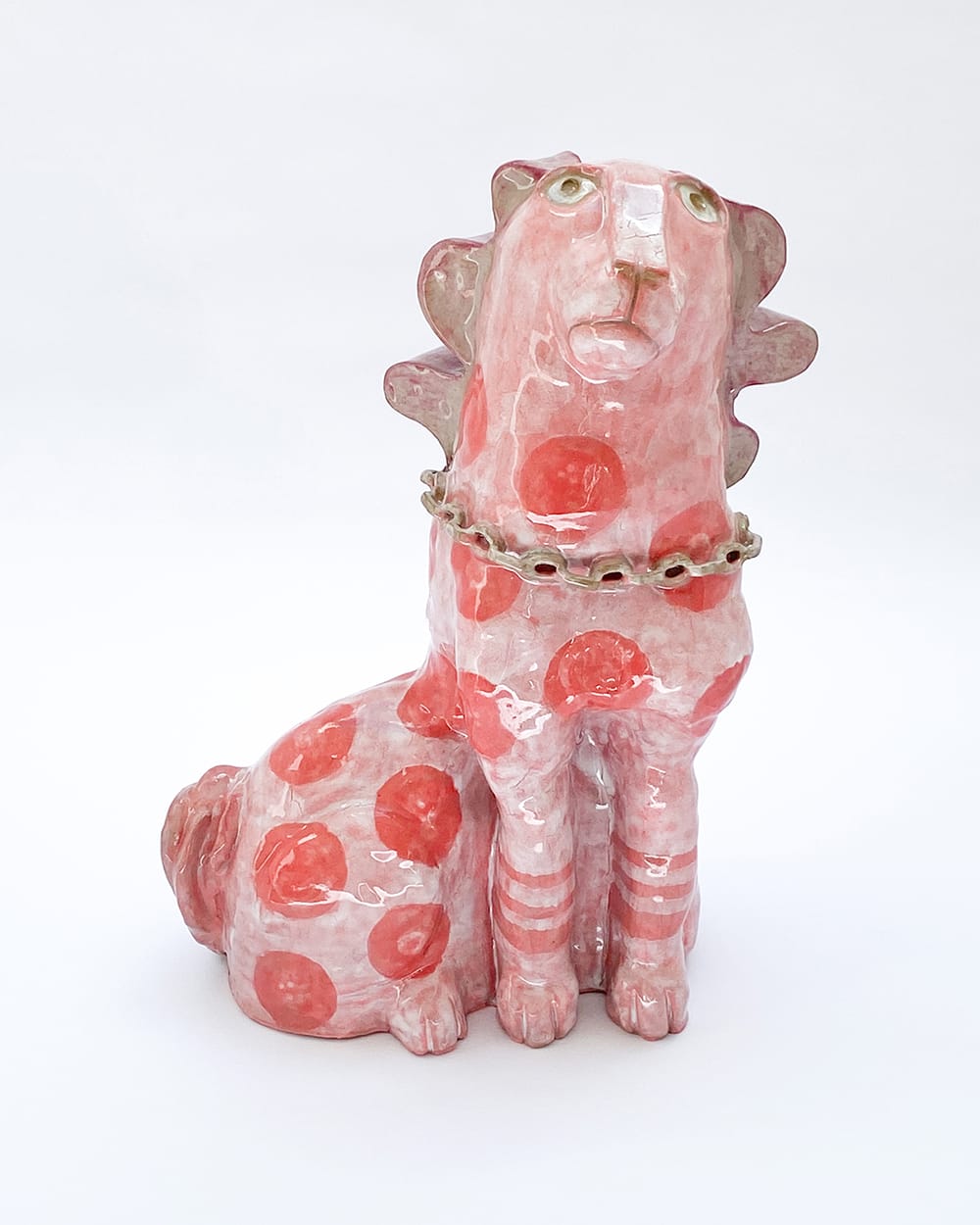
Vlad Cohen, Queer and Faithful Hound
“Animals often appear in my work. They can be friendly and naive, but also strange or uncanny. I see them as both comforting and cautionary: eager for love but also abject. Mythological and occult references reveal that they inhabit an alternate and personal inner world.
I work mainly in ceramic stoneware, combining handbuilding with wheel-thrown forms, which I alter and decorate. I’m drawn to ceramic for its contradictions: practical yet precious, familiar yet refined. It’s both kitsch and cultured — a queer medium in its own right, reflecting many of the tensions I explore.” – Vlad Cohen

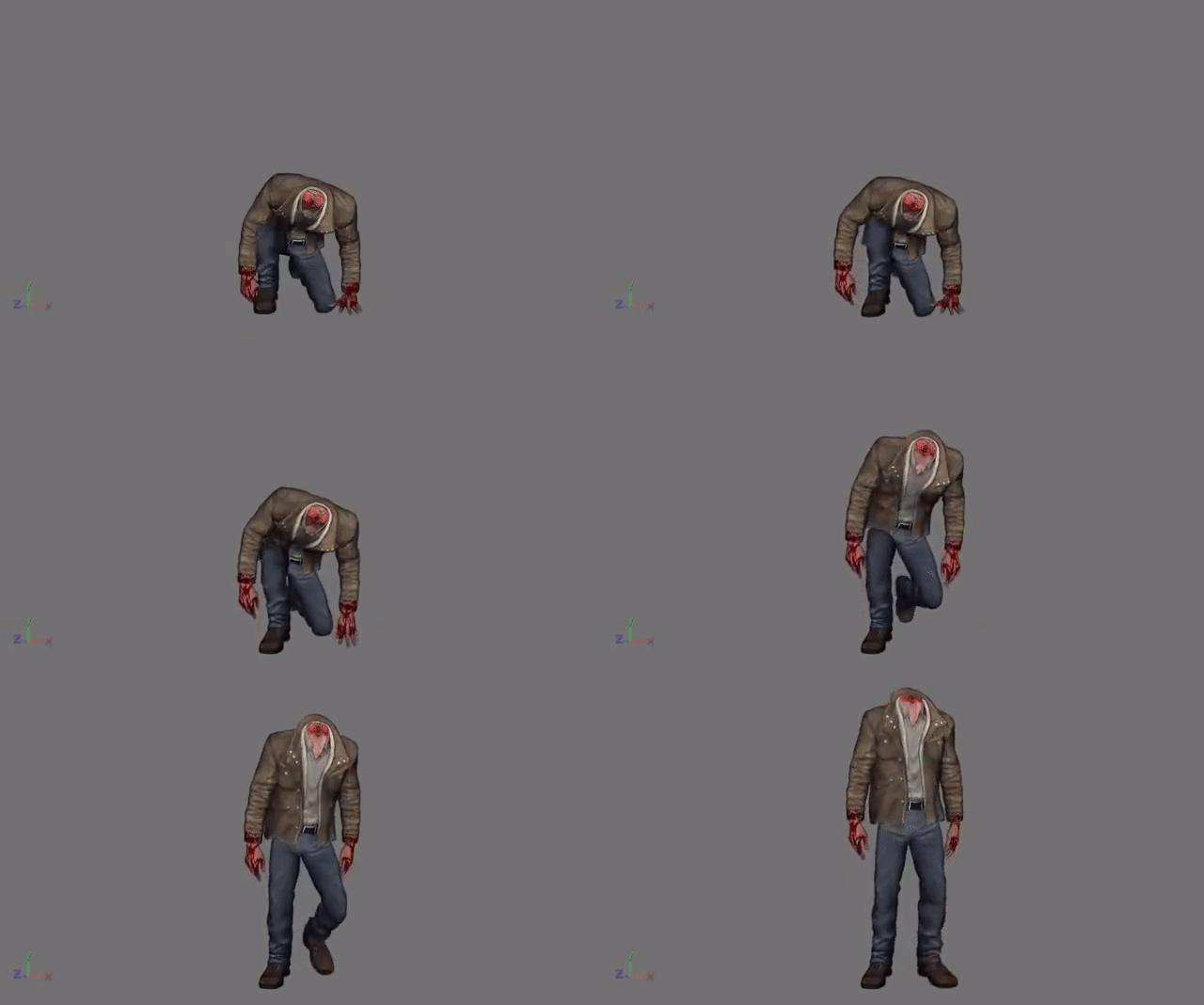
Dennis Cooper, Zac’s Drug Binge (GIF novel excerpt)

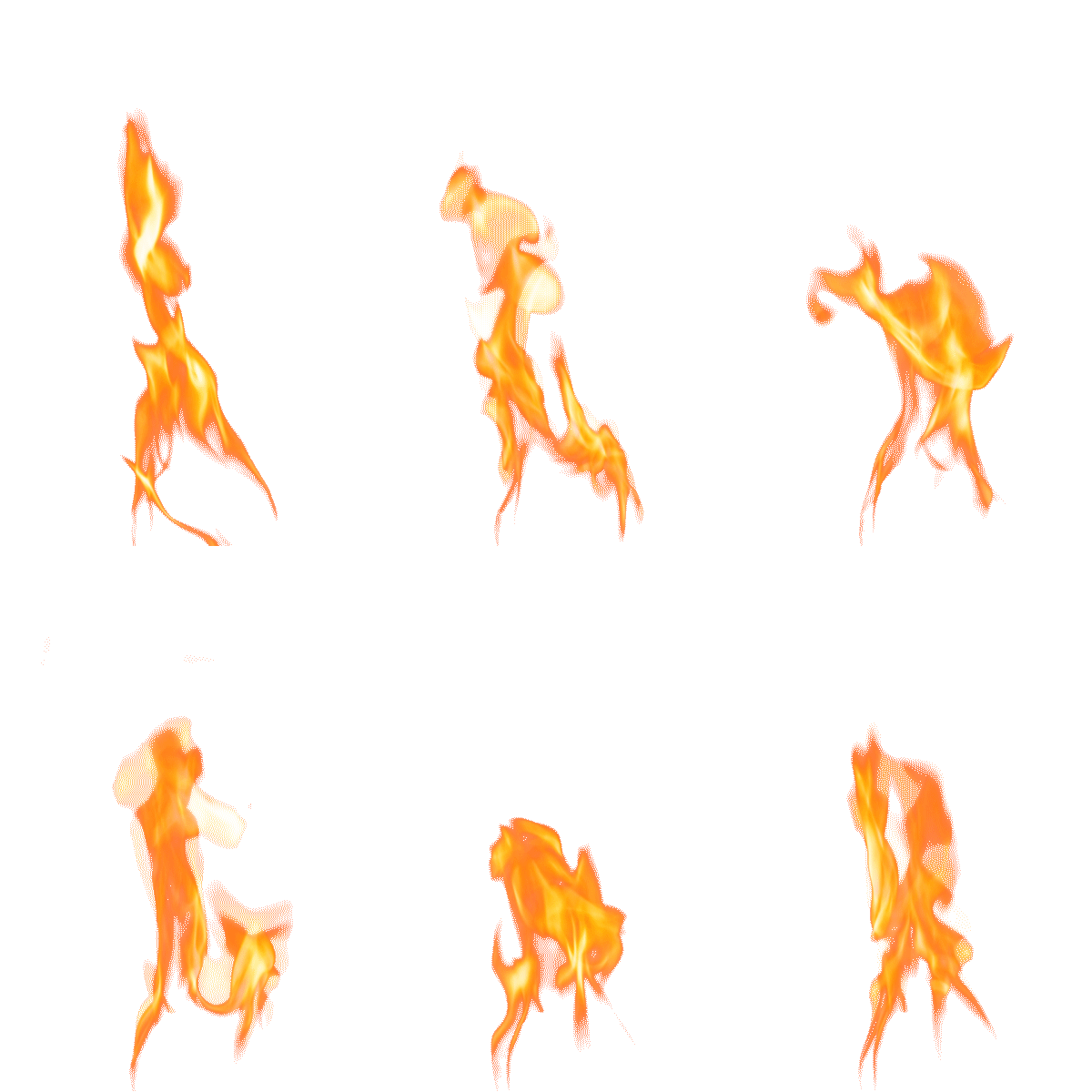
Dennis Cooper, Zac’s Drug Binge (GIF novel excerpt)
“I think the animated GIF is a super rich thing, mostly unintentionally? For the novel, I thought of them as these crazy visual sentences. But unlike text sentences, they do all the imaginative work for you. They render you really passive. They just juggle with your eyesight, and you’re basically left battling their aggressive, looped, fireworks-level dumb, hypnotizing effects to see the images and the mini-stories/actions they contextualize.” - Dennis Cooper
leon clowes, nesting
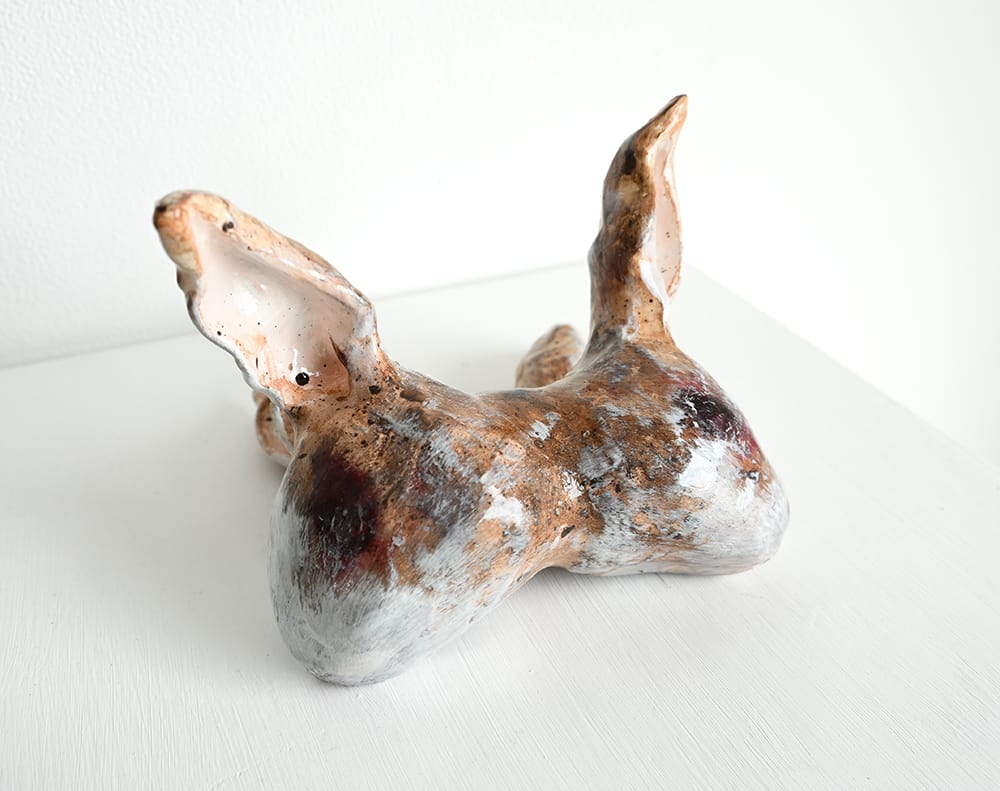
Dylan Barr, Untitled (two heads)
Dylan Barr, After Orion
In After Orion, Dylan Barr traces a quiet procession through sparse woodland, a masked figure carrying a sculptural rabbit through corridors of pine trunks and long fallen needles. The forest becomes a site of watchfulness and ritual, with tree trunks striping the frame and the ground littered with twigs and memory. The figure lays the forms down gently, then joins them on the forest floor, enacting something wordless and felt. For Barr, rabbits function as both symbol and companion, deeply personal and culturally resonant. They speak to survival, vulnerability, and the persistence of presence even in absence. After Orion moves gently through the edges of perception, where gestures hold what language cannot.
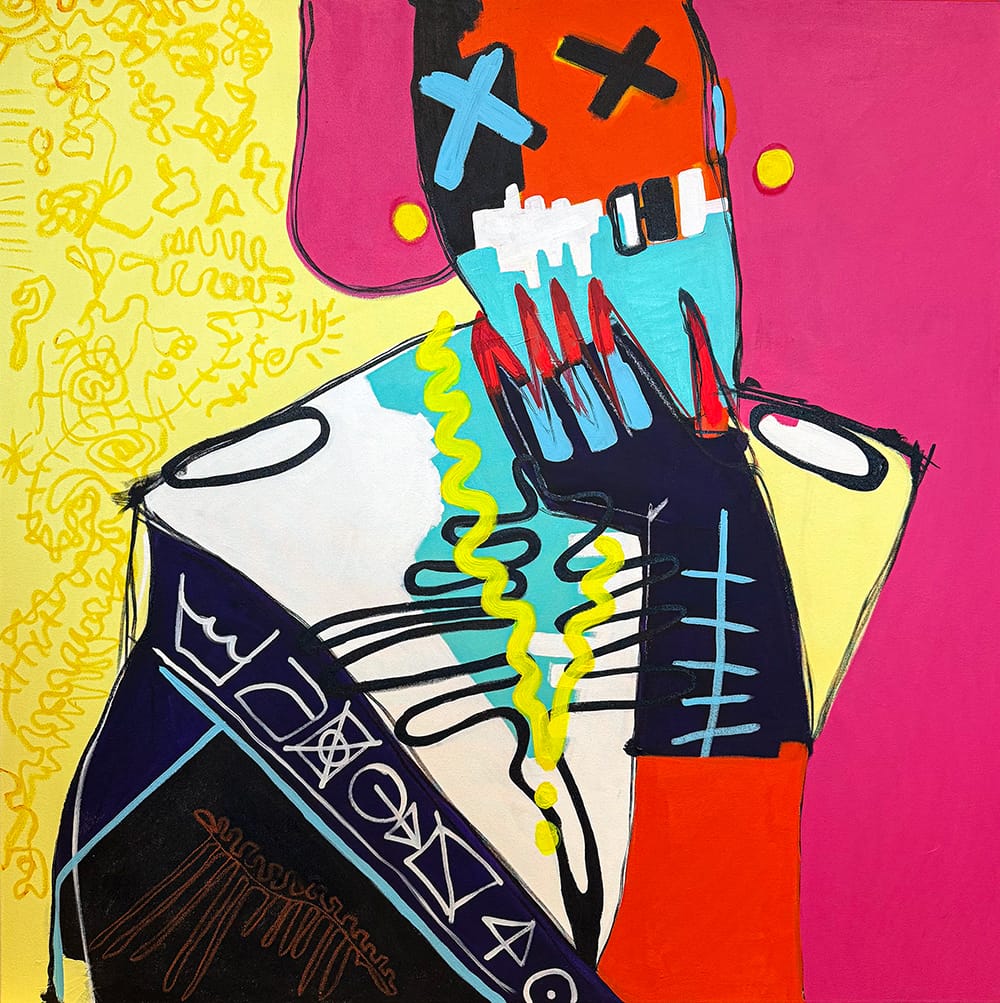
Ross Compton, Glorious Faggotry
“Think of it: a radiant explosion of self-acceptance, where vulnerability, femininity and holding your hands a certain way isn't weakness. Wouldn’t that be nice? Wouldn’t that affect no one's life but your own? Well tough luck buttercup. Society doesn't like that shit. So cut the gay crap.” – Ross Compton
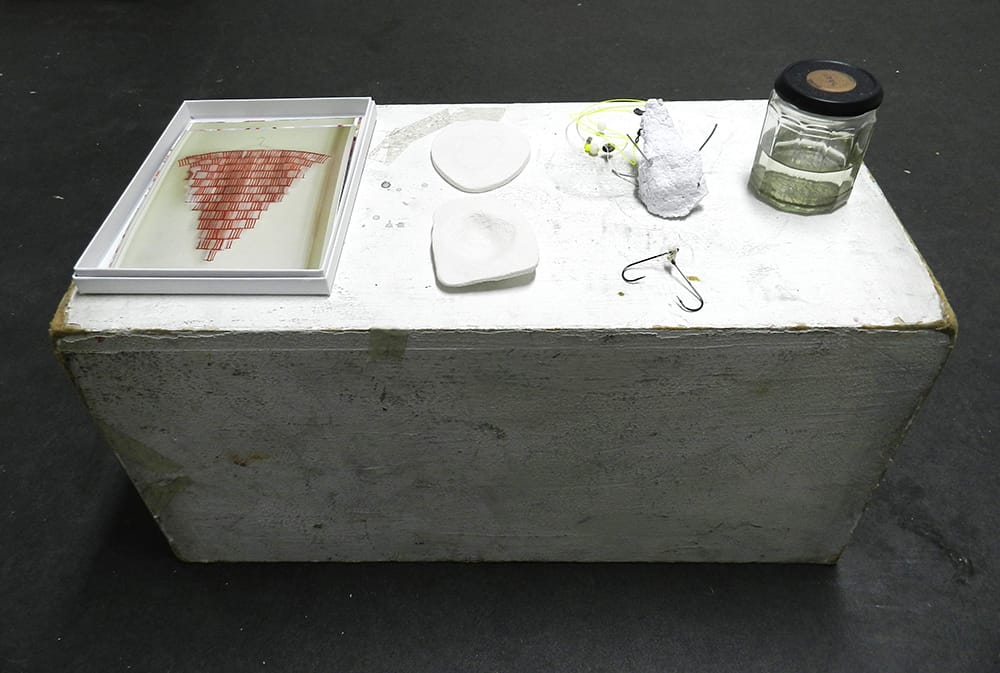
Sebastian Rowlands, AH (After Hysterectomy)
We know this kind of work matters. Not because it fixes anything, but because it makes space. It opens something. It changes the air. And in a world already overstuffed with spectacle and certainty, softness can feel like a kind of resistance. A way of insisting that presence doesn’t always have to be loud to be real. That meaning doesn’t always need a caption.
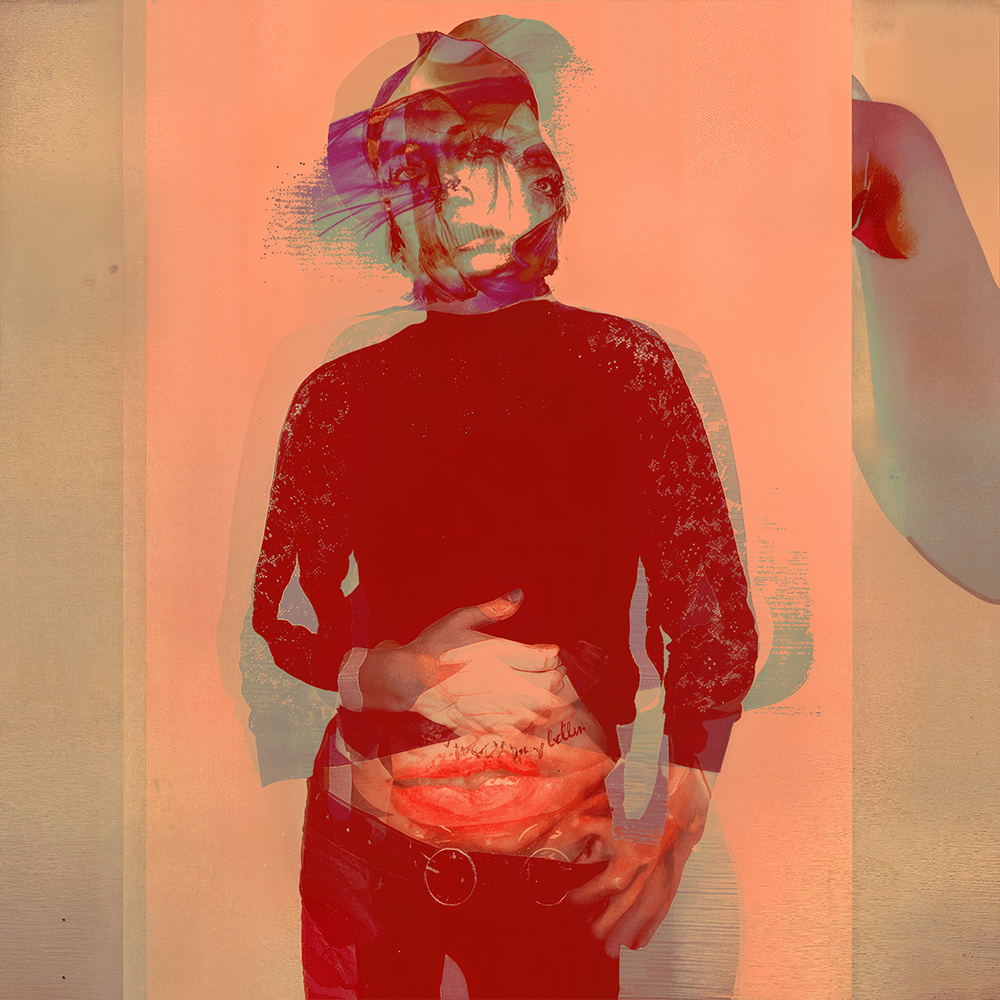
Ryo Kajitani / 梶谷 令, Independence
"The catalyst was a sudden experience of phantom pain in 2021, where a location of a past injury began to ache without warning. I had tried to live by disavowing my past, but when my body itself began to scream out, this body-led project was abruptly born. Its purpose is to confront the phenomenon of violence as a creator and, through a process of self-discovery, to sublimate trauma into a work of art…
The creative process begins with the restoration of documentary photos left on an old feature phone. I repair areas of damage and deterioration in the old photos, part by part as needed…" - Ryo Kajitani / 梶谷 令
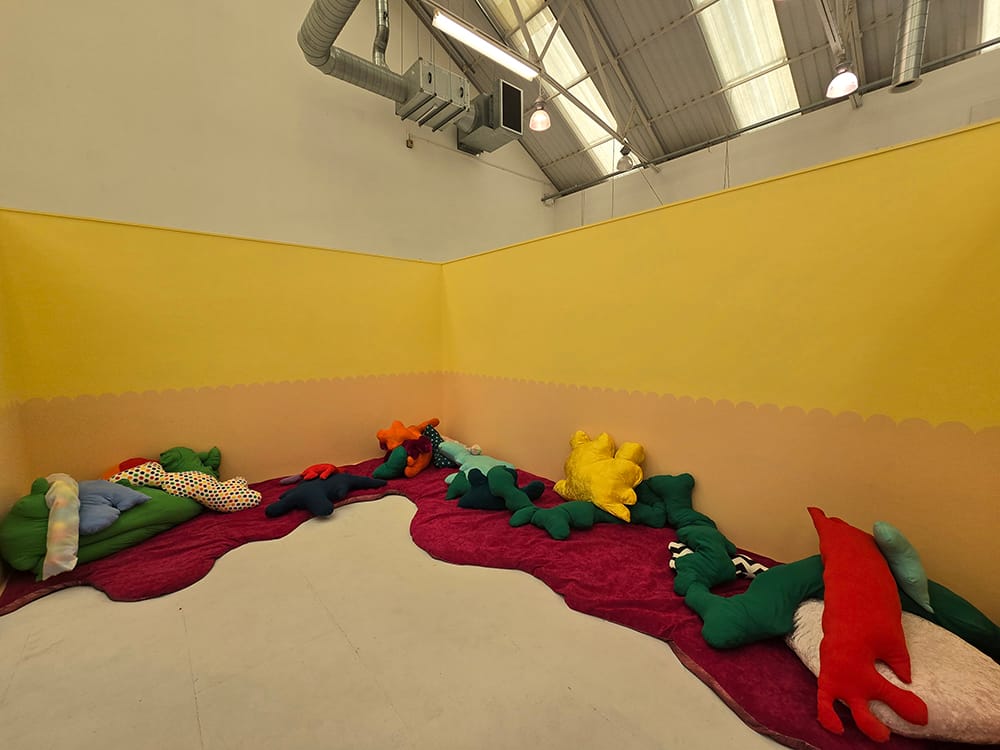
Rebecca Alford, Daylight
***
Soft Territories Crossing One/New Haunts: A conversation with Jared Pappas-Kelley (part 2)
The conversation continues here in the second half of the interview between Jonathan Mayhew and Jared Pappas-Kelley, shared as part of Soft Territories: Crossing One, the opening showcase in a dispersed series curated by Pup and Tiger.
In this half, the discussion drifts further into shapeshifting identities, queer folkloric re-imaginings, and the porous thresholds between animal, myth, and machine. Jared reflects on art that doesn’t explain but lingers, attuned to the atmospheric and unresolved. There’s talk of changelings, capitalist relics, and hypnotic image loops, of works that operate in the cracks, slip across boundaries, and invite us to stay in the in-between. What unfolds is less a tidy theme than a constellation of shared urgencies, a space where memory glitches, identities shimmer, and the sacred flickers up through the synthetic.
***
Jonathan Mayhew: Neneh Cherry’s recent autobiography got me thinking about reforming a creative family and growing community again, something akin to her Sunday meals and parties with friends. A simple yet generous gift that puts us back in touch and gives space for conversations and nurturing ideas. It’s tied in with my revisiting of Donna Haraway’s Staying with the Trouble, and her idea of building community and kin in the times of the impending apocalypse (I’m still a little more hopeful) seems very pertinent and important, especially reconnecting with nature. Her Chthulucene considers the interconnectedness and the crucial role of non-human entities through the concept of tentacular thinking, invoking animality, landscape and also myth, which also touches on some other elements in Soft Territories. Could you delve into how these crossings speak to the idea of soft territory?
Jared Pappas-Kelley: Yeah, I’m interested in where that leads. Something about how these works feel like they’re not explaining, they’re just, in it. Migratory. There’s this amalgamation that happens, between human and animal, organic and synthetic, memory and matter. It feels very now. Folklore gets pulled into the frame but reinterpreted through queer passages or personal myth. Vlad Cohen’s ceramic figures, feel like they’ve wandered out of some strange internal terrain or bestiary. Dylan Barr does that in a different register, moving slowly through woodland. There’s a ritual logic there, but it’s private, unspoken. Or Ryo Kajitani as well, or like Shruti Gaonkar is doing it on a generational level. And somewhere in the background there’s Brandon Barnard’s Arc, just gliding through moorland and fog and stone circles, catching the flicker of something elemental. Not explaining, just observing. A kind of atmospheric divining.
I guess what binds it together, loosely, is a kind of willingness to stay in that in-between. That’s what I was seeing. These aren’t works trying to define, they’re just vibrating gently on the threshold. And maybe that’s the community part too. Not a fixed group or a clear manifesto, but a shared willingness to stay with the trouble, as Haraway would say. To keep listening at the edges. Even something like Dawn Woolley’s Relics, these remnants of packaging and capitalist debris, they start to feel sacred, like waste made mythic. The line slips. It all feels like a long forgetting and remembering at once.
And then there’s Dennis Cooper’s take on the GIF novel, this visual sentence that loops endlessly, pulling you in and holding you captive. It’s hypnotic but also kind of aggressive, a perfect metaphor for how these images grab us and won’t let go, how meaning slips. It’s that tension between passivity and overload, between story and signal.
JM: Sounds like there’s some really beautiful works at play here, operating in those cracks is a good place to be. Forgetting where we came from is what will get us back into trouble in the future as well now. Building spaces and places of community is an increasingly important thing we all need, with that in mind. What other kinds of events or uses of the space do you envisage in the future of Pup and Tiger?
JPK: We have always imagined it as a shapeshifter. Right now we are online and popping up in other places but we are working toward a physical space in Canterbury that can host exhibitions, readings, workshops, and serve as a social space. One of the pieces in the Delere showcase draws on the folklore of the “changeling”, reimagining it through a queer lens, not as something swapped or lost but as a way of being that slips between worlds and unsettles fixed identities. We have also talked about an expanded biennial of sorts, but in an unexpected way. For the art space there is an idea that people can come without feeling like they have to buy a coffee or understand art theory to be there. Something that feels like home or a glitch in the day.
JM: Unexpected art can be amazing! A little disruption in the world to make you stop and think or change your view of the space you’re in, my fave Félix González-Torres’ poster works come to mind as one example. That surprise experience can have some incredible ripple effects on people and is a great way to make that white cube space less scary to enter. I’m very excited to see this happen. In your wildest dreams where do you see Pup and Tiger in the future? What if you disrupted the art world entirely and moved into representing artists or expanded into something else altogether?
JPK: That’s the dream: to build something that could be a real alternative. Not in the sense of replicating the structures of commercial galleries but in supporting artists in ways that are not extractive. It’s important to have these networks in place, not just for dialogue but for sustainability. Artists need to be able to sell their work, to live and continue creating. Supporting artists in that way is something I really want to prioritise through Pup and Tiger. Maybe we do start representing artists or producing more publications. But I think it will always be a hybrid: part space, part platform, part interruption. We’re also relaunching Transmissions, a written series I first put together while editing Invert/Extant, and I’ve been developing it further with Jordan A. Rothacker. It’ll be coming under the Pup and Tiger umbrella soon, with a focus on writing and queer voices.
My wildest dream? Maybe Pup and Tiger has satellites, other small spaces, maybe even a residency or something more outward looking that gets inserted into the fabric of everyday life in unexpected ways. Something that haunts the edges of the art world rather than settling in its centre.
JM: Finally what are you up to yourself? Is there anything you’re reading, watching or listening to we should know about?
JPK: We just released a zine, I’ll put that information at the end, and I’m deep in the chaos of grant writing, fundraising, and getting ready to launch our physical space. It’s a lot, but it all feels part of the same project, trying to build something from all this. The nerdy answer, I’ve been immersed in the work of the artists in this showcase, so a lot of what I’ve been watching is their practice and processes. I also read Miranda July’s latest book not long ago. She might not know this but she’s secretly kind of my nemesis. Yeah July, you heard me. I wrote an essay years ago about how we came up in the same scene, same venues, and she and I even share our birthday. She’s totally unaware though, which keeps me entertained. On the music front, I’m mostly listening to low-tech, noisy, and lo-fi synth stuff and pretending it’s music. Somehow got lost in a lot of loud extremely slutty pop while doing mundane tasks so there’s that as well.
JM: Haha ok I’m thinking we need to set up an Art Off between you and Miranda July, I’d pay to see the dance off section alone. I’m all about the slutty pop too, please send me links! Ok and finally what’s happening in Pup and Tiger right now?
JPK: We’re in the middle of launching Soft Territories, cough cough, our first split-site showcase between Dennis Cooper’s and Delere Press. It’s been wild and generous so far, artists from all over sending work that feels urgent and strange. We’ve also got our first zine out, Jumping Off, and are building toward opening a physical space in Canterbury. There will also be a zine publication for Soft Territories as well. Mostly, we’re trying to do something that feels like a gift to the people who find it. And maybe a little bit of a positive disruption to the rest.
If people want to find out more of what we are doing (and free copy of our new zine as well), they can sign up and keep updated here.
Jonathan Mayhew is an artist and occasional writer based in Dublin Ireland. He has recently had solo shows in Sports Hall Window Helsinki and Pallas Projects in Dublin and his work has been shown in the IMMA the Irish Museum of Modern Art Dublin, The National Gallery of Ireland Dublin, Crawford Art Gallery in Cork, The Library Project Dublin, the Bomb Factory London and HIAP Helsinki. He has an upcoming project with Gorse Press in Ireland. He is mostly renovating a house right now but you can find his ghosts online.
***
Soft Territories is curated by Jared Pappas-Kelley, artist, writer, and co-founder of Pup and Tiger. His past work has haunted places like Art Monthly, Cabinet, 3:AM Magazine, and The Rumpus, among others. His recent book Solvent Form: Art and Destruction was published by Manchester University Press, followed by the collection To Build a House that Never Ceased, with their newest, Stalking America, published by Delere Press. He’s written about ruins, disappearance, and the slippery nature of objects. Which feels relevant here. He’s also spent years building weird, independent spaces that didn’t last forever but mattered while they did. This is another one of those.
Get the Latest News
Sign up for our newsletter and get all of the latest updates from Pup and Tiger